When the Plan Falls Apart: An Editorial Wedding Photography Shoot at Chateau de Lis
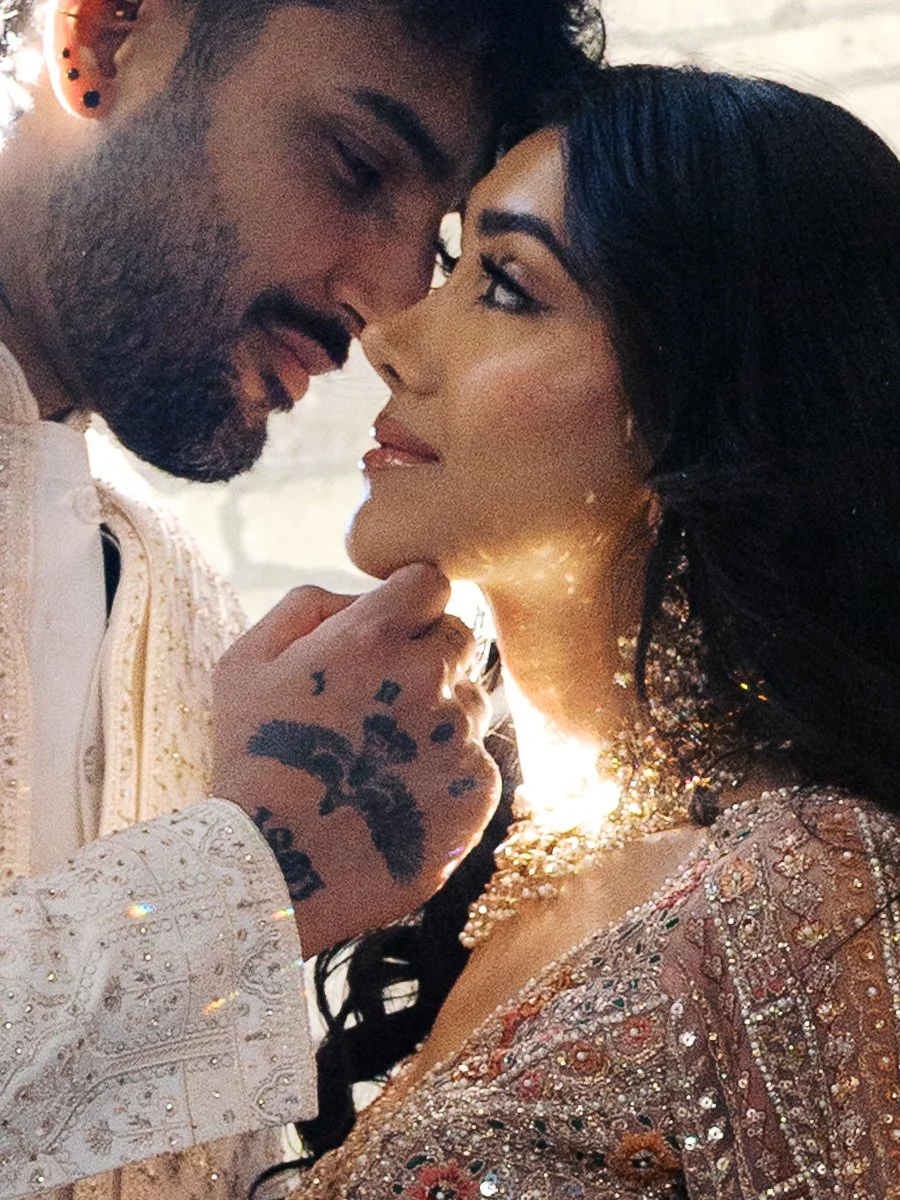
I walked into Chateau de Lis and was immediately humbled.
We had planned an editorial wedding photography shoot full of dramatic florals, cultural fashion, and two bridal looks. Our florist woke up with a 102-degree fever.
That was the first domino. Getting the florals ready pushed us three hours behind, which moved our portraits into harsh sun and put us down to the wire with the reception rentals. Part of the reception space was unexpectedly still under construction, the dessert table was sitting outside in the heat, and we still had two bridal looks and a long list of details to photograph.
Every time I solved one problem, three more appeared. Then five more showed up to ask if I had a minute. It was a living, breathing game of whack-a-mole in wedding editorial form.
You probably wouldn't think to ask a wedding photographer how they would handle a feverish florist, a construction zone, an approaching rental pickup, and a bride who desperately needs her coffee all at once. That's fair. It’s a weirdly specific selling point.
But you are trusting them with moments that happen only once. Singular. Non-repeatable. The day won’t stop if they freeze or buckle under pressure, and the people who worked hard to make it beautiful still deserve photographs that show that hard work. There’s more to choosing a photographer than finding a portfolio with "bright and airy" shots.
This gallery didn’t happen because chaos works itself out when you call yourself a professional. It happened because I took charge. I knew what to prioritize, how to successfully direct, and how to make strong photographs with the light and time we actually had. So let me pull back the curtain on what it really took to make this gallery.
A Creative Vision Has to Survive the Actual Day
A mood board is just a starting point. Once a shoot begins, I need to know which elements hold the concept together so I can carry that vision through whatever changes.
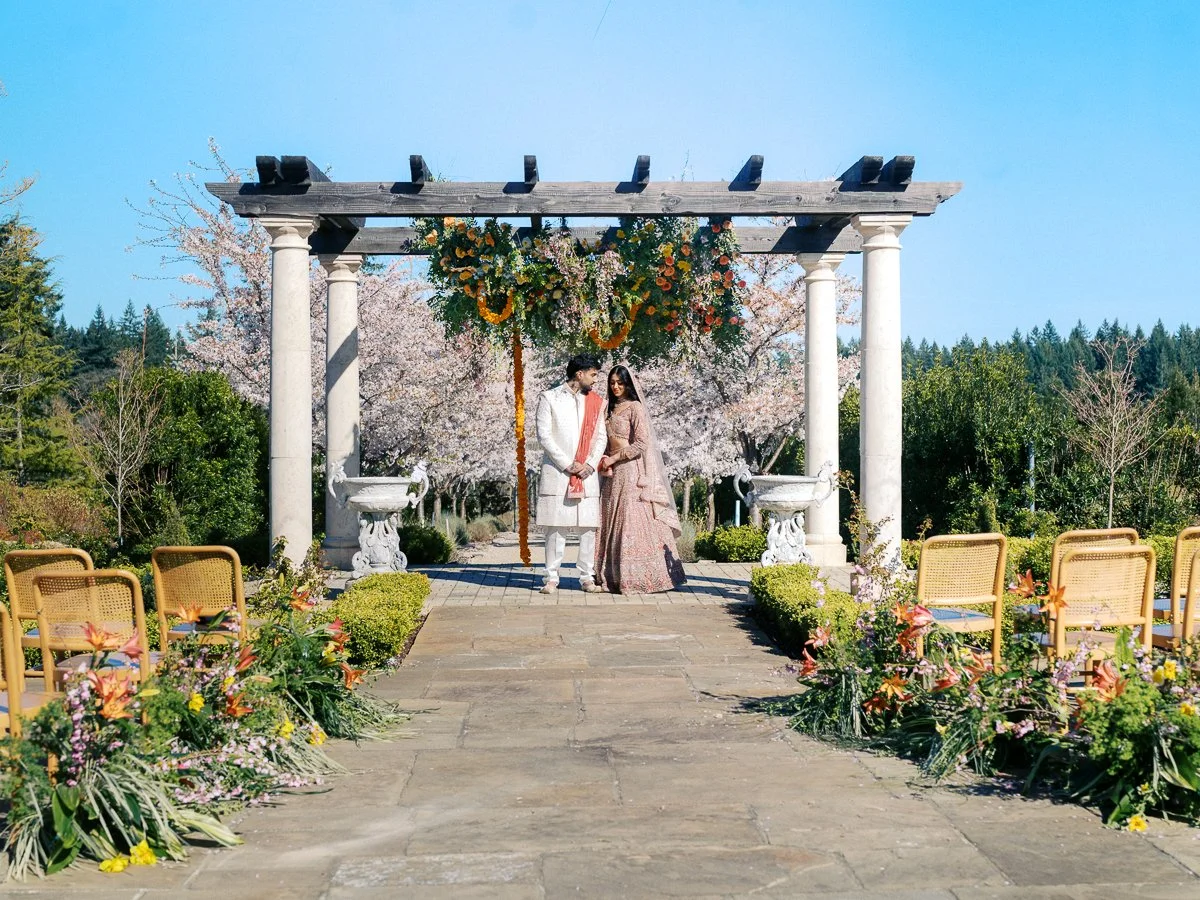
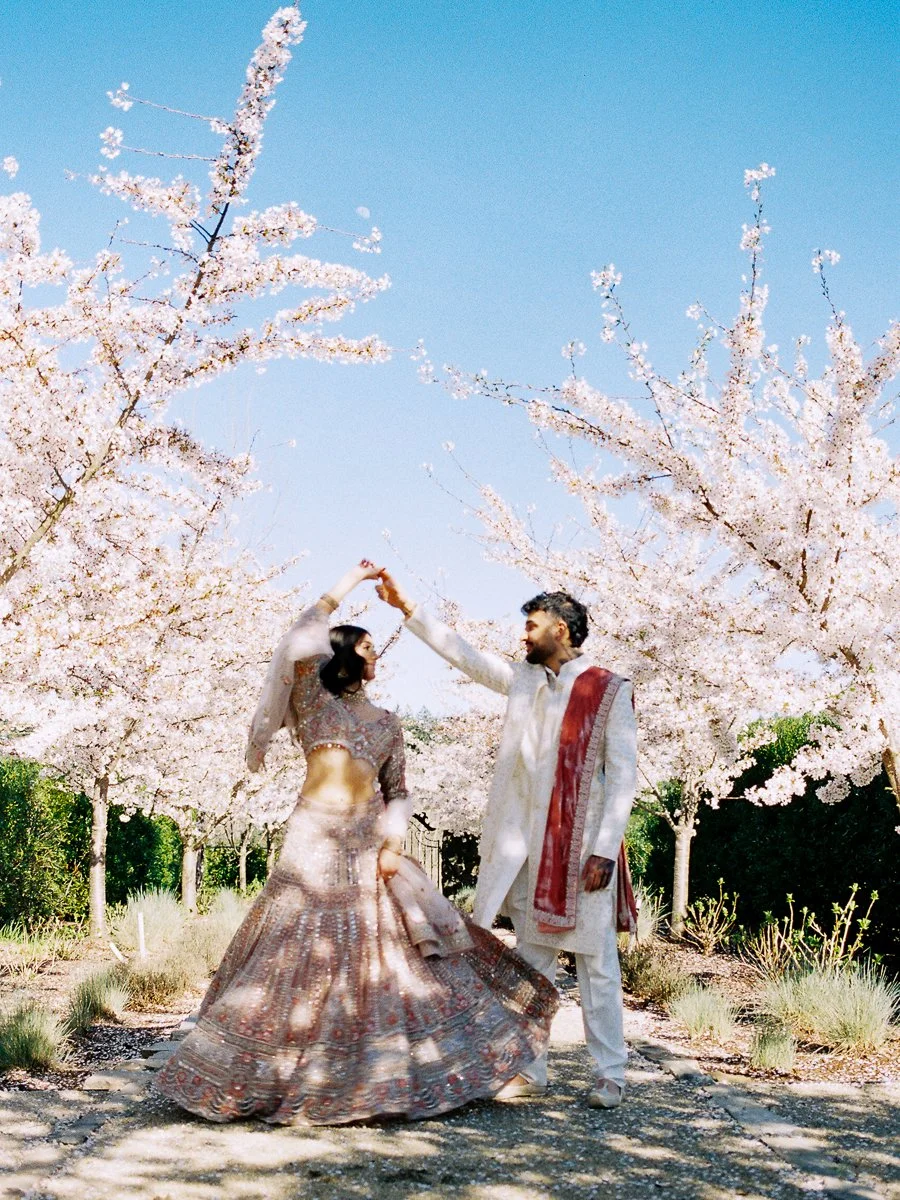
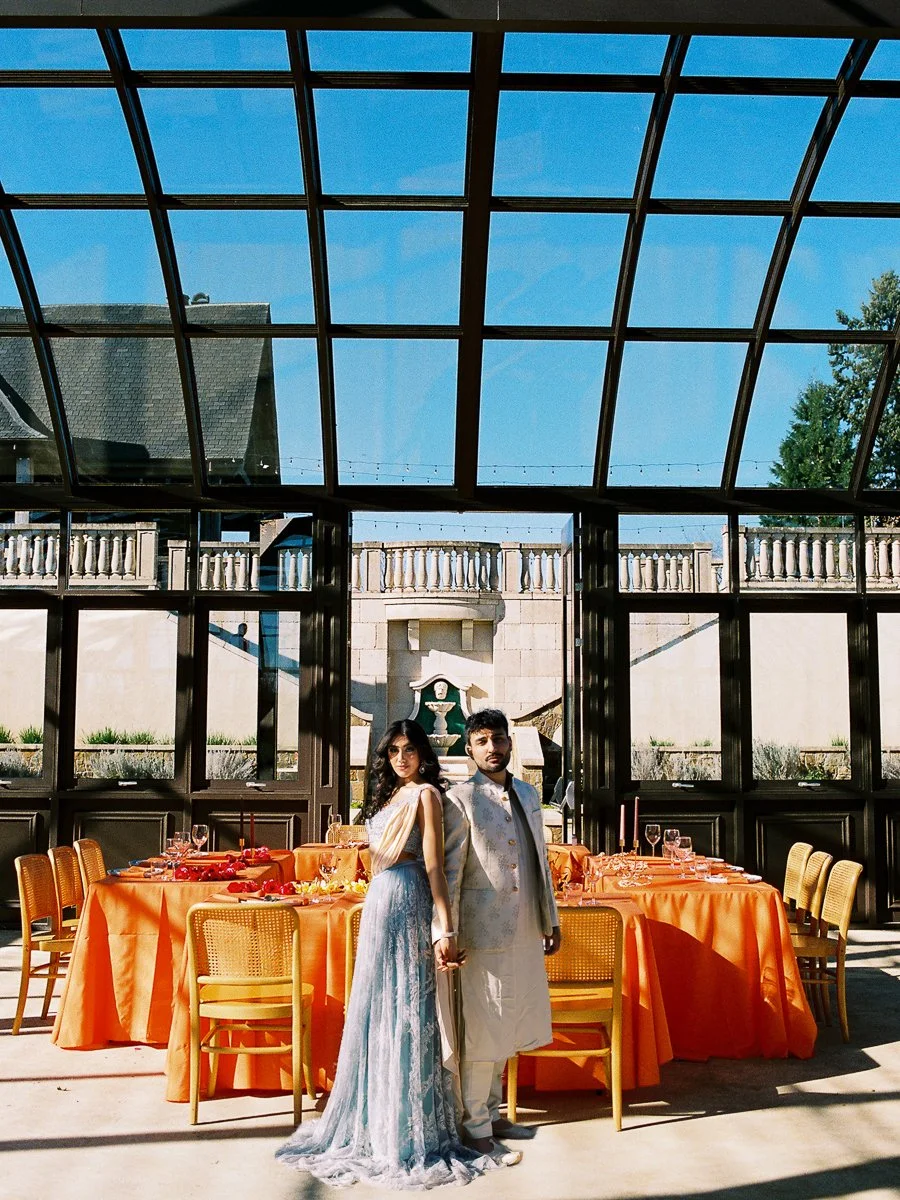
For this editorial, those elements were bold color, dynamic portraits, cultural fashion, layered details, and the character of Chateau de Lis. If the original plan shifted, kinked, or disappeared into the ether, I could still make photographs that felt true to that vision.
I don't ever aim to reproduce each reference image. I use my experience and eye to make creative decisions in real time, based on what is real and in front of me.
This matters on a wedding day, too. You can plan a glorious celebration down to the minute, but the photographs have to be made in the spaces, light, and circumstances you actually get.
When the Timeline Explodes, Quick Thinking Matters
Our florist was working through a genuinely difficult day while creating some of the shoot’s most important visual elements. Her effort deserved to be photographed beautifully, but, we also had to keep things moving.
As the schedule slipped further, I focused on anything with an expiration date. Which details needed to be photographed before the rentals were picked up? Which spaces depended on a particular kind of light? What could move to another location or wait until later?
I delegated tasks, kept the next setup moving, and communicated exactly what I needed and from whom. There wasn’t time for every decision to travel through a committee.
At one point, I had to make a mad dash to the reception setup. The rental crew had arrived and needed to start clearing the room. They were doing exactly what they meant to do; our time had just run out.
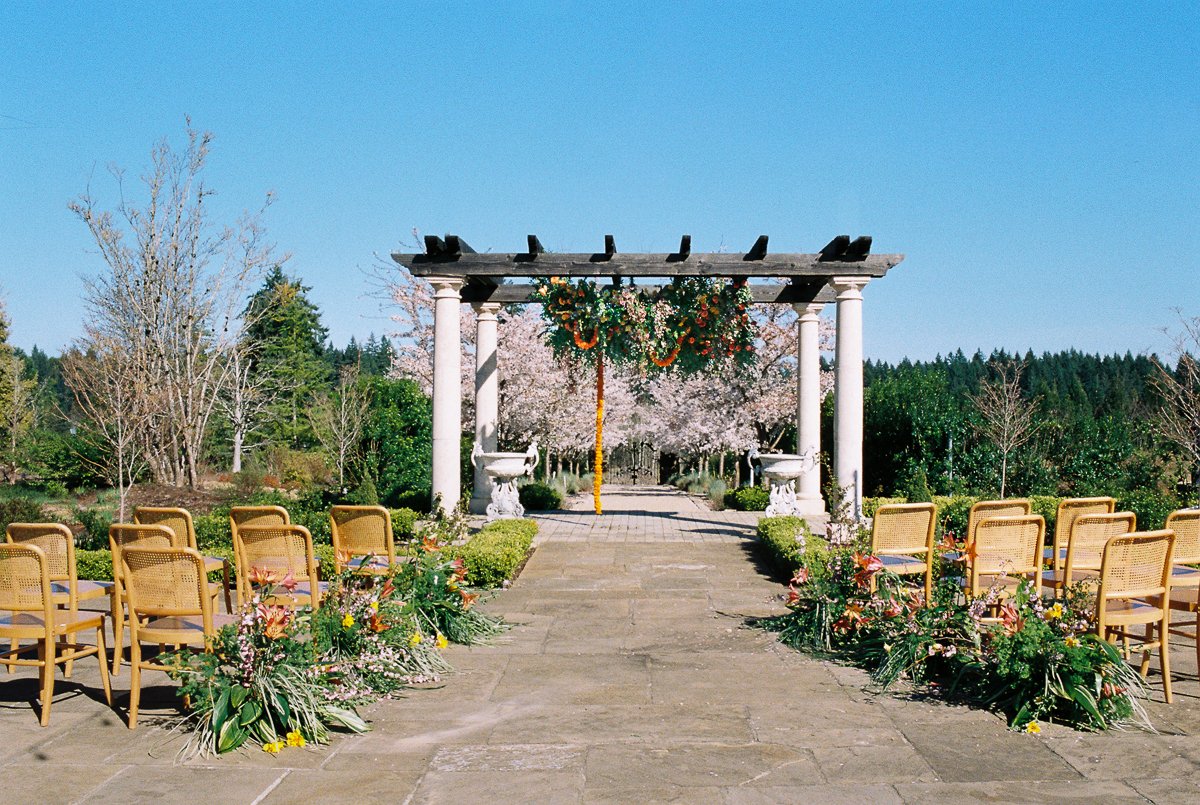
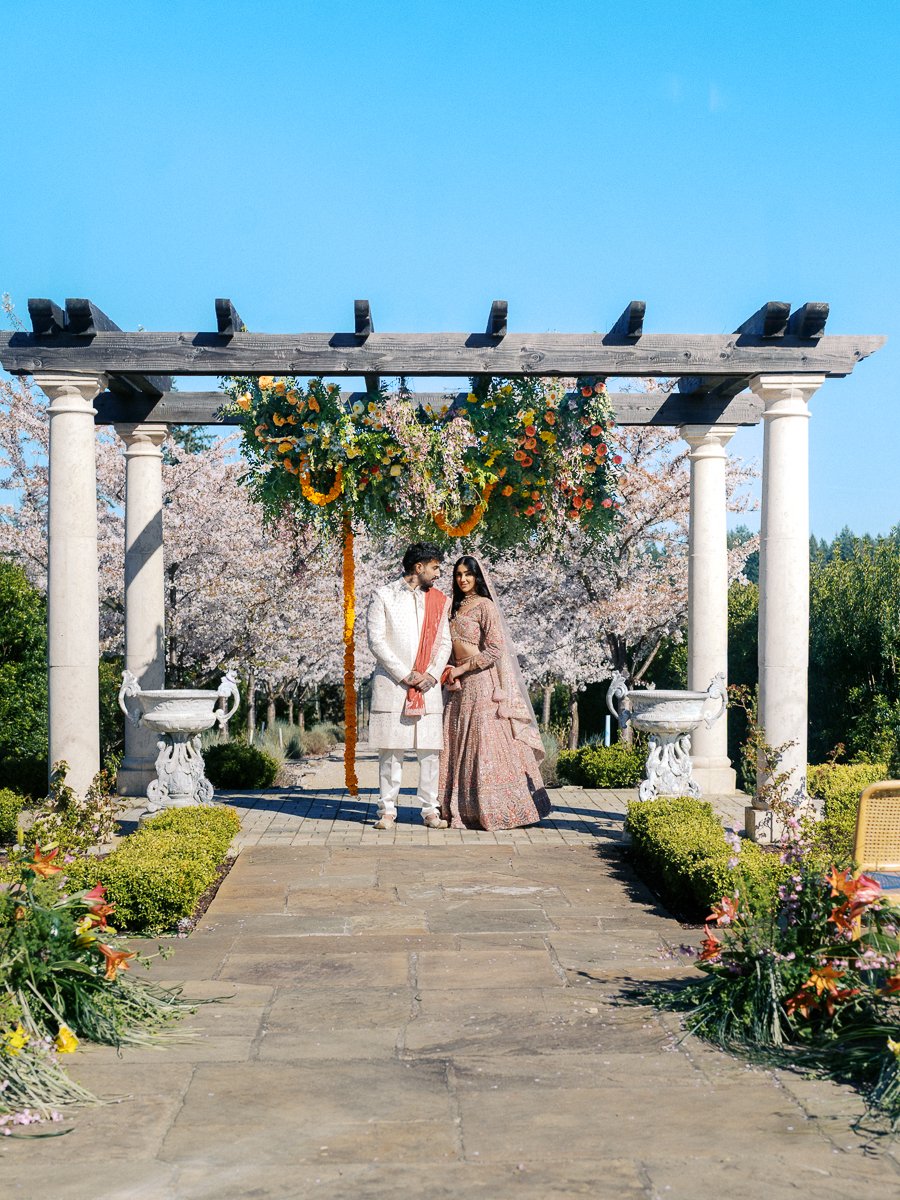
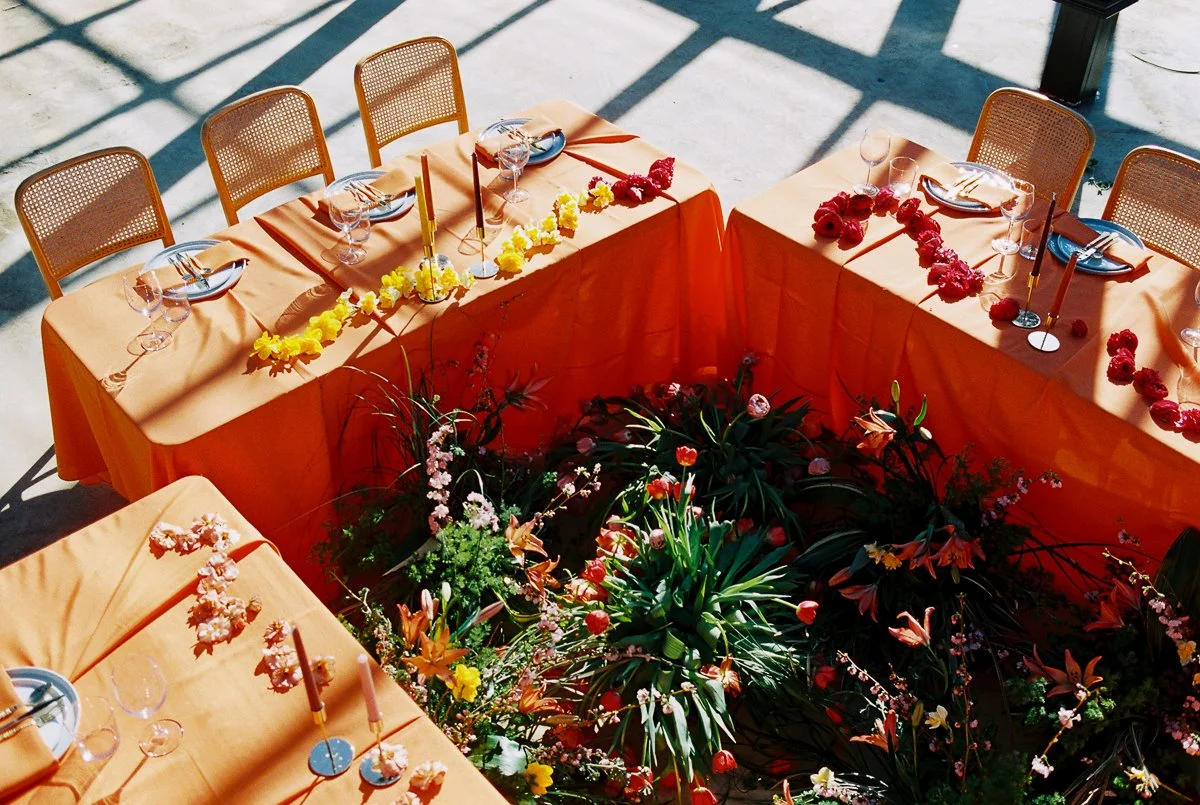
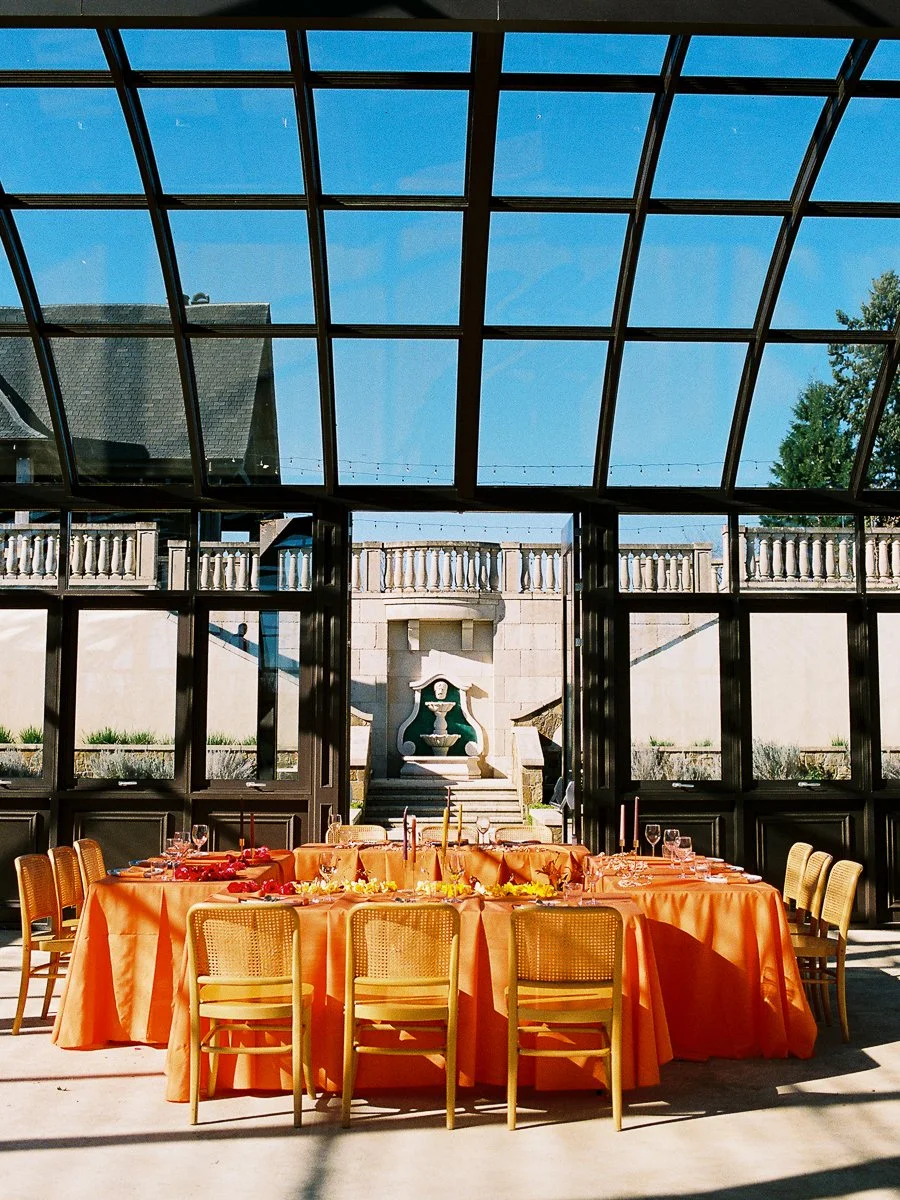
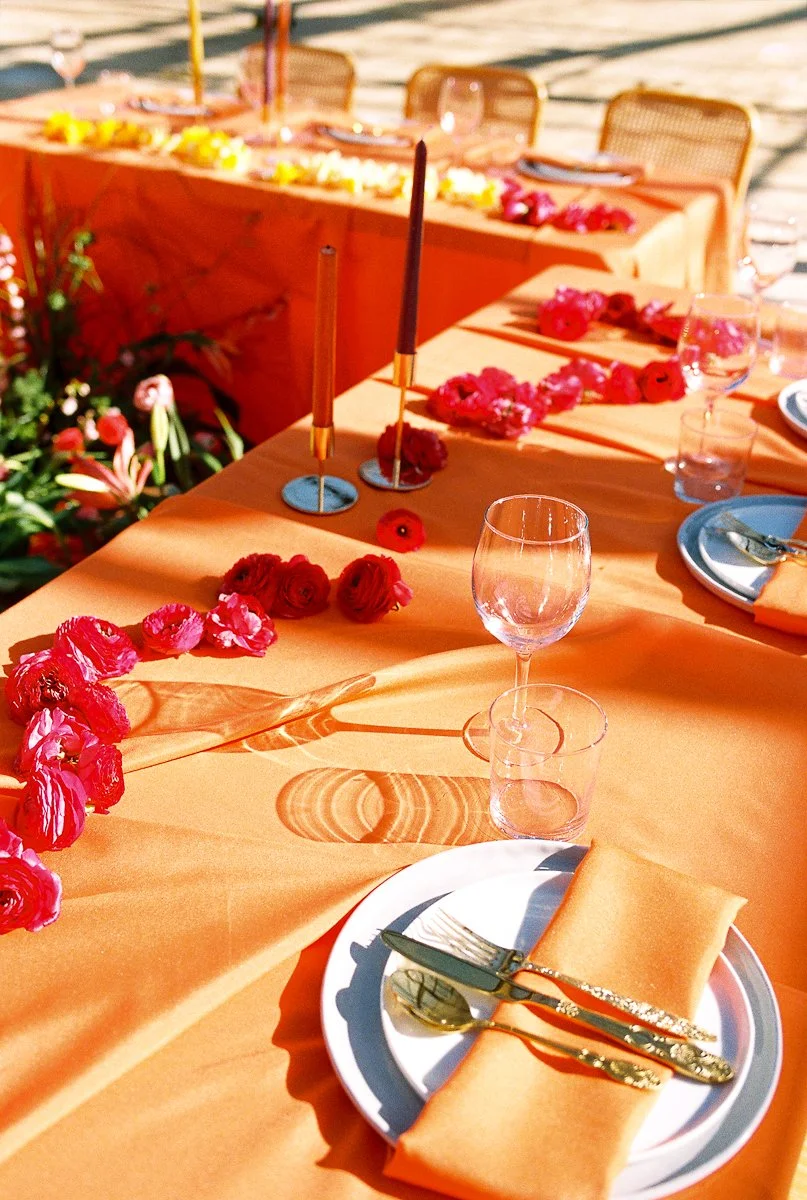
My brain went into mega ultimate power mode. All my previous editorial work, my experience directing, my knowledge of light, and my eye for artistry went into high gear. I found the strongest compositions first and captured the overall design the vendors had worked so hard to build, all within minutes. I prioritized the aerial and spatial shots knowing the detail shots could be done strategically without the rentals that were, quite literally, disappearing in front of me.
If I’d continued down the original shot list one setup at a time, there would have been major gaps in the final gallery. Parts of the concept, and the work behind it, would have gone completely unseen. That distinction? That is what carries a reputation. Knowing when and how to pivot made all the difference between a successful shoot and one that fell flat.
Good Portraits Still Need Direction
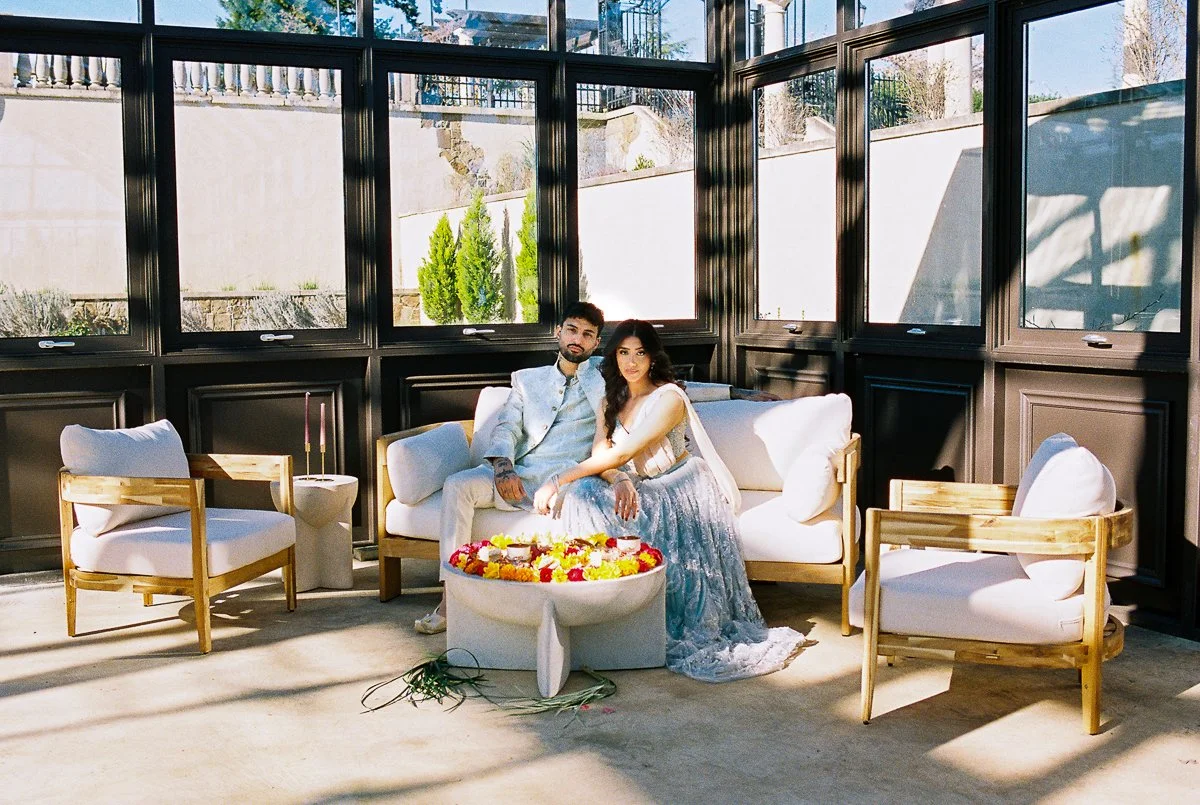
The schedule wasn’t our only challenge. Portraits require attention and participation from the people in them, and that wasn’t always easy to get that day.
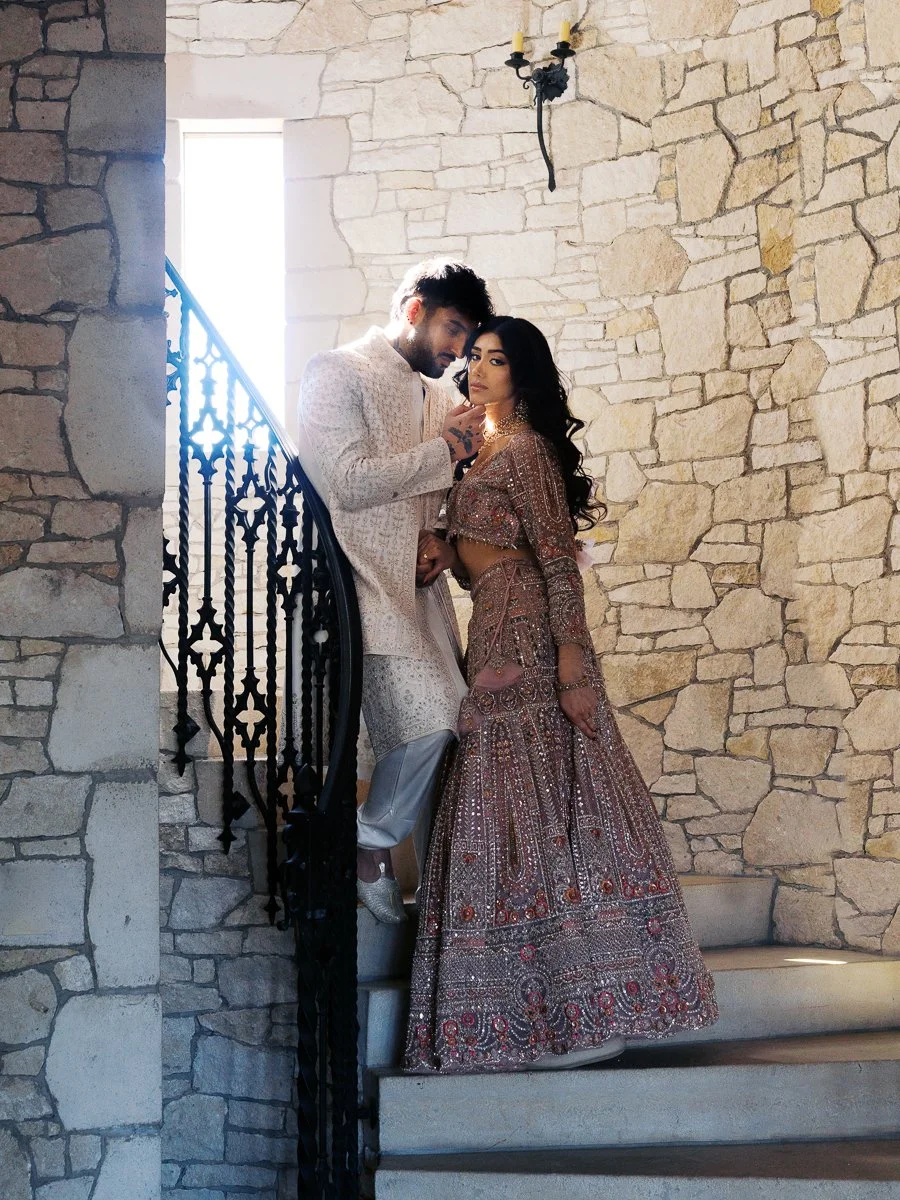
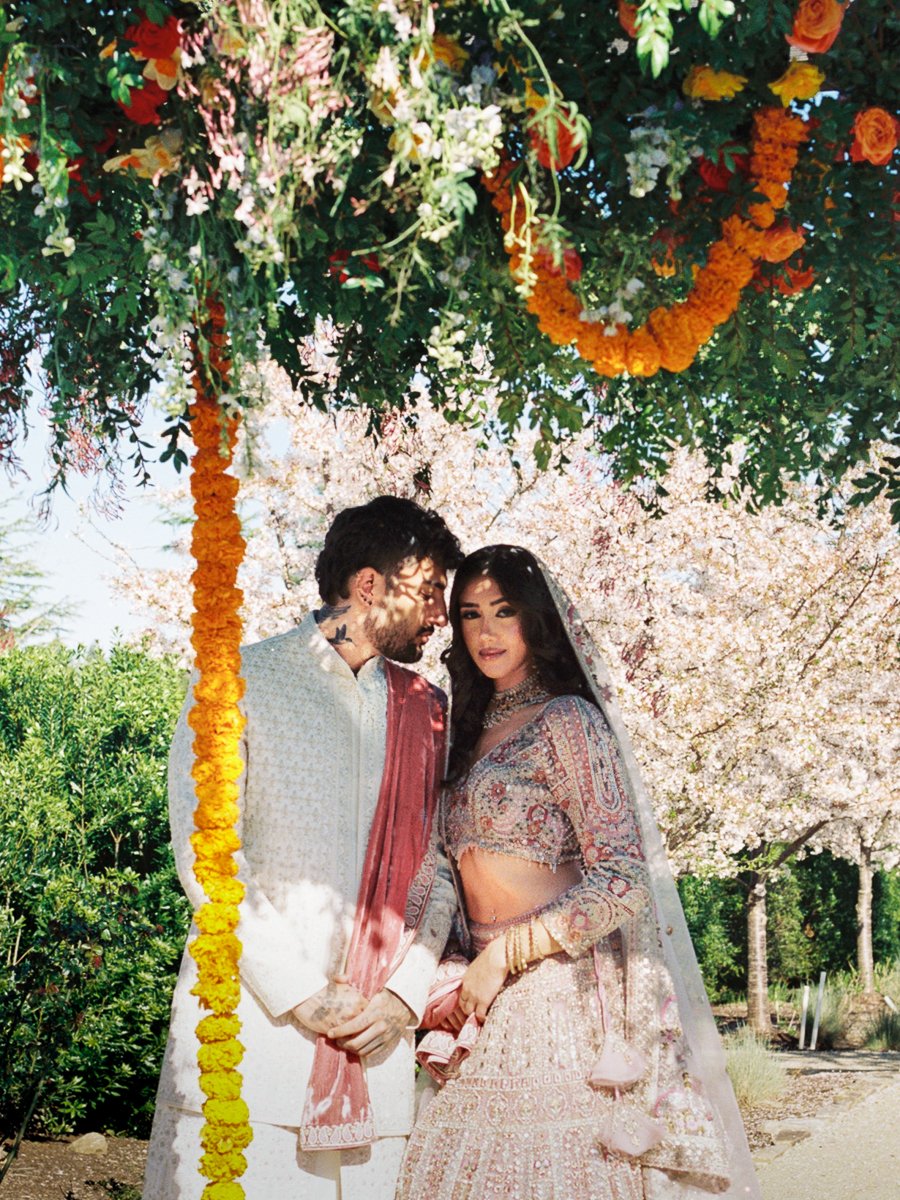
I had to work a lot harder to create the energy and movement these particular photographs needed. When a direction wasn’t landing, I changed my approach, got more specific, and used a little humor to keep the mood from getting as tense as the timeline. All the while, I was watching for those split-second moments when expression, movement, wardrobe, and composition all came together.
There’s a lot happening behind a portrait that looks effortless. I’m reading body language and light, checking the edges of the frame, noticing how the fabric falls, which way the wind is blowing, and deciding whether to keep working with a setup or cut bait and refresh.
People get tired, distracted, and are pulled in so many directions on wedding days, too. My job is to help them feel comfortable and seen while making every minute count. They don’t need to know about the insane calculus equations running through my head to make it happen.
Difficult Light Is Still Light I Can Work With
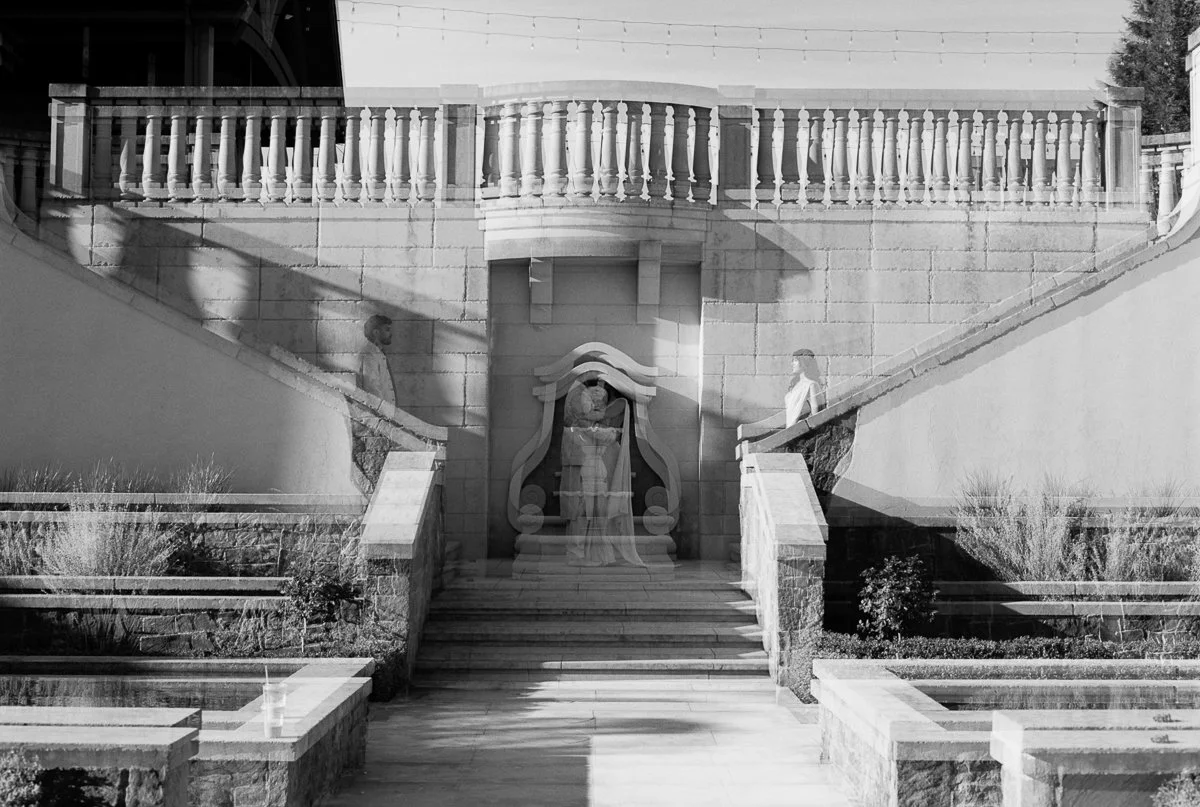
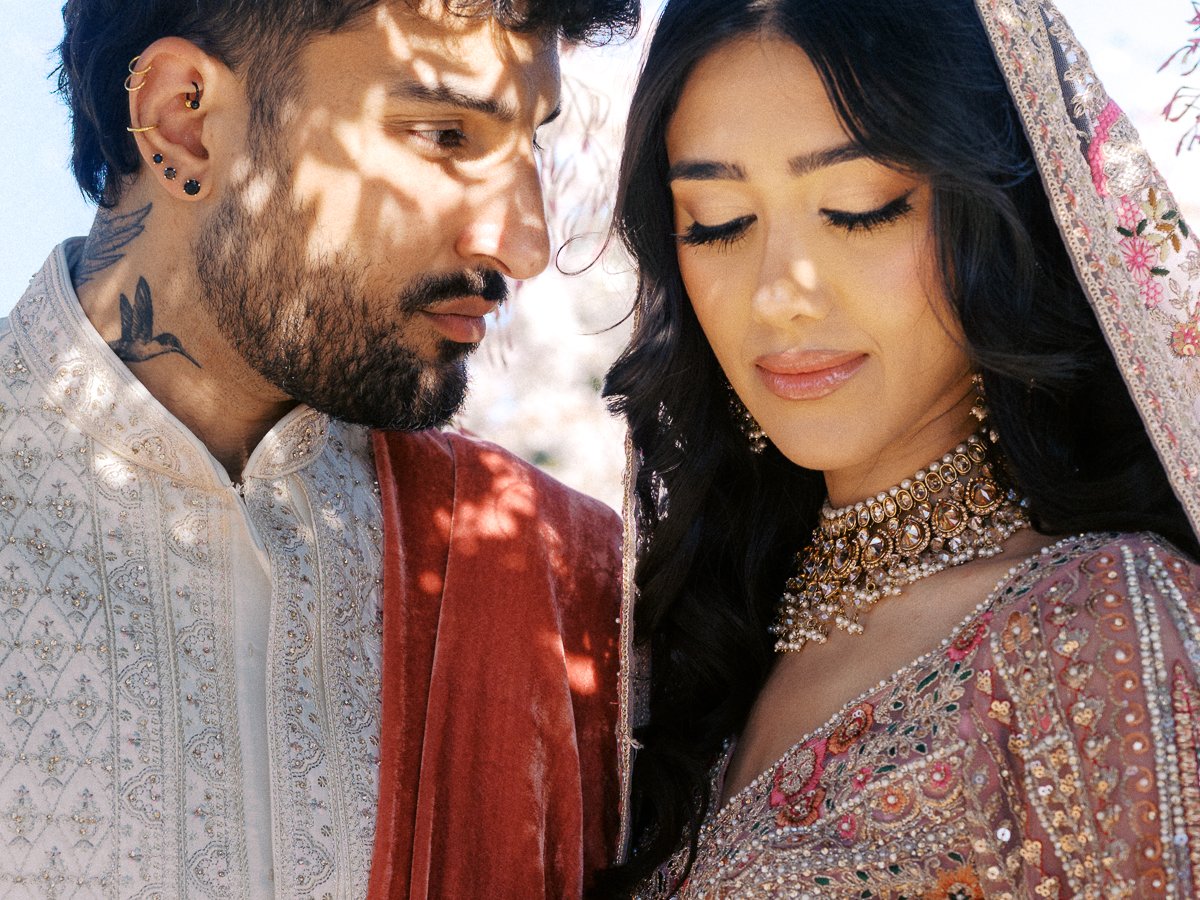
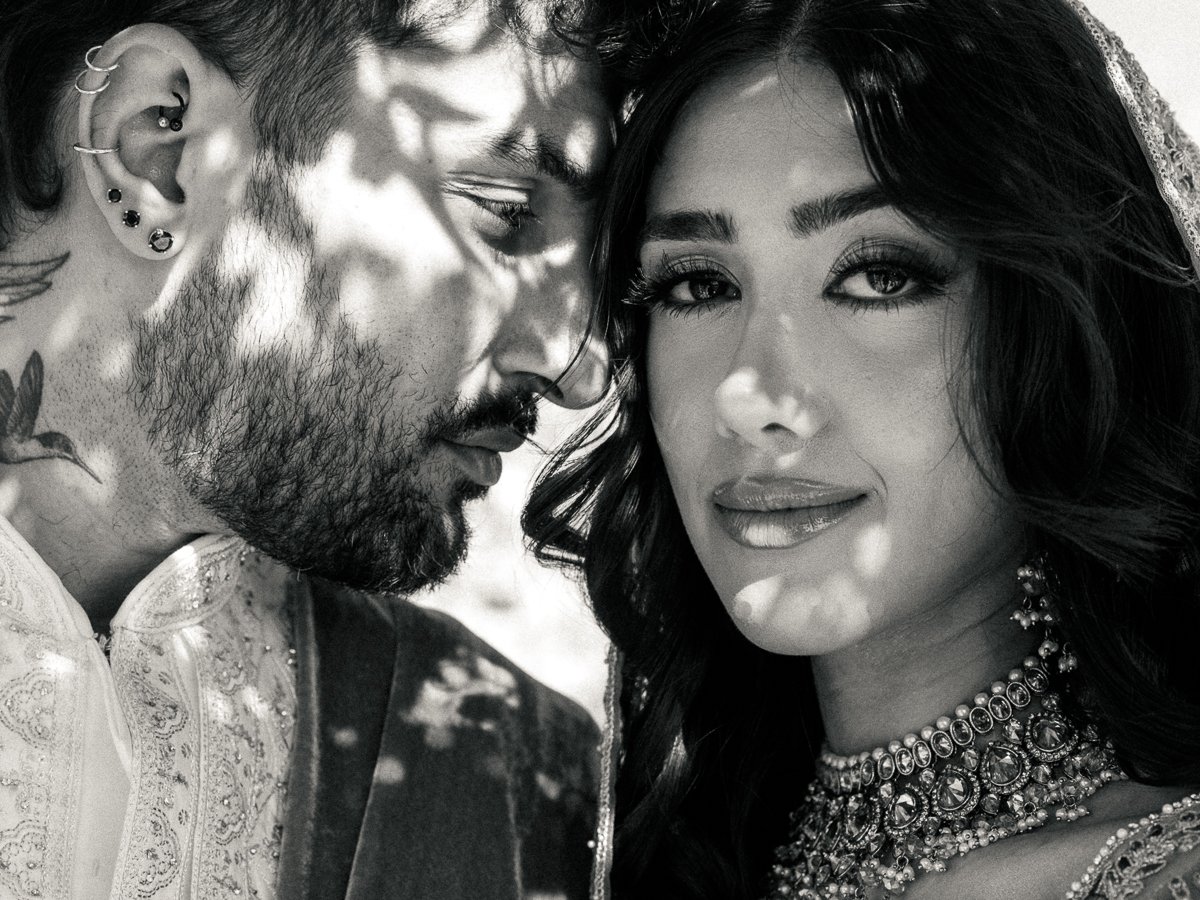
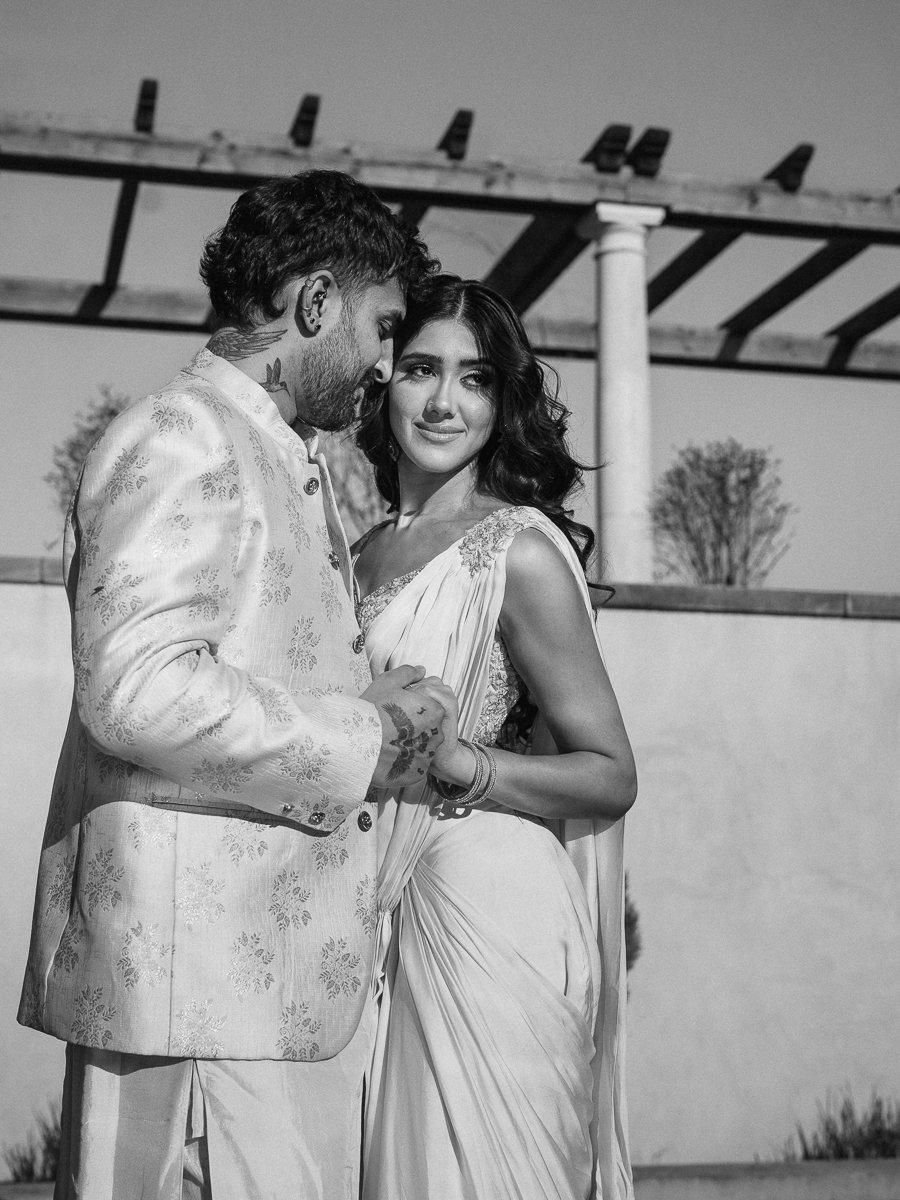
Because the schedule had shifted, we were photographing in light I never would have chosen for the original plan. Some spaces were in full, directional sun. Others had intense contrast, with lines and shadows cutting across faces and details.
I had to see the setting for what it was and find a creative way to use it. Wishing for the light I’d planned wasn’t going to help anything. With an Asian mom and a military father, I was not raised to waste time.
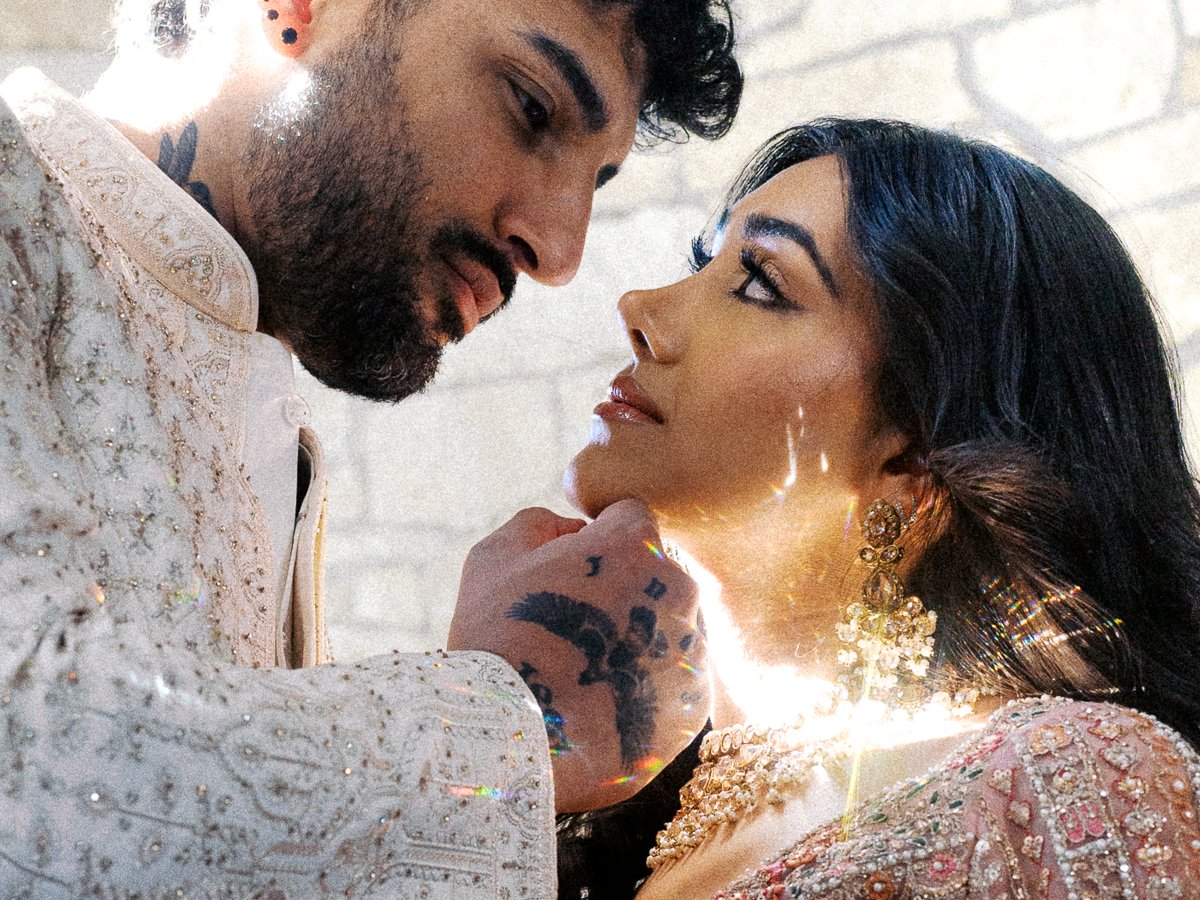
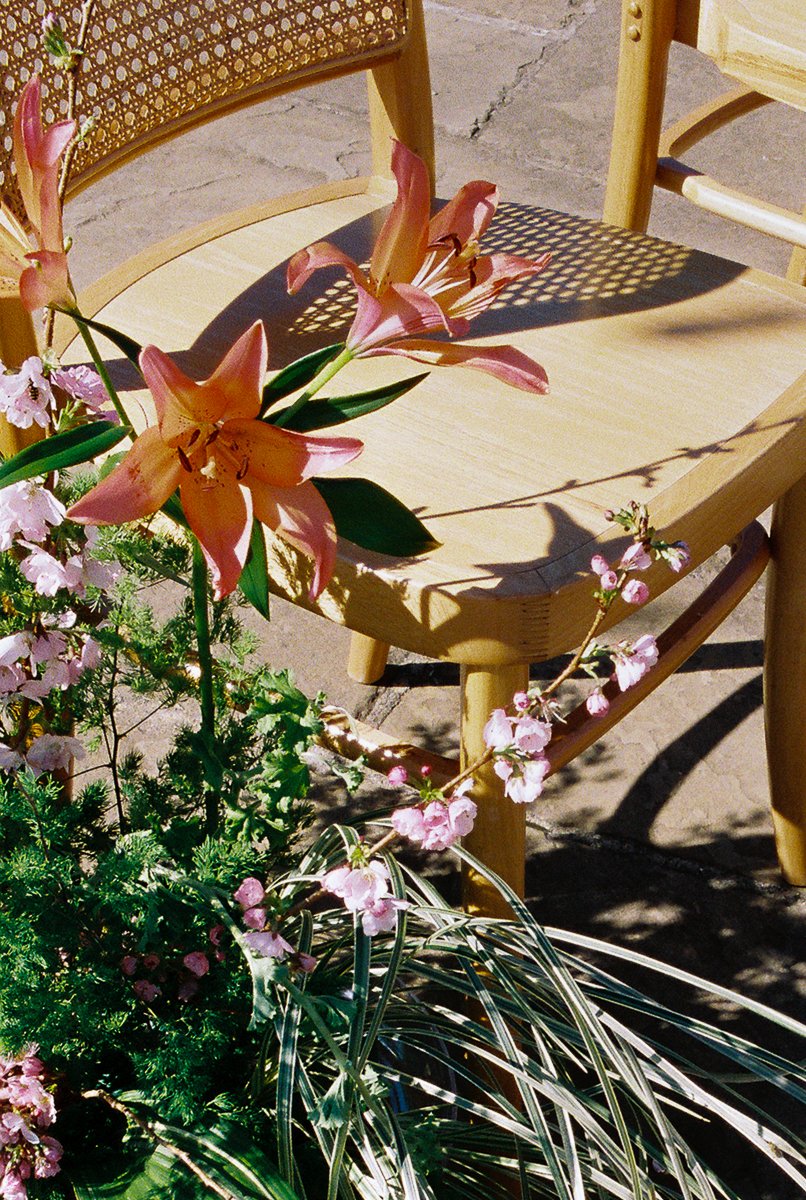
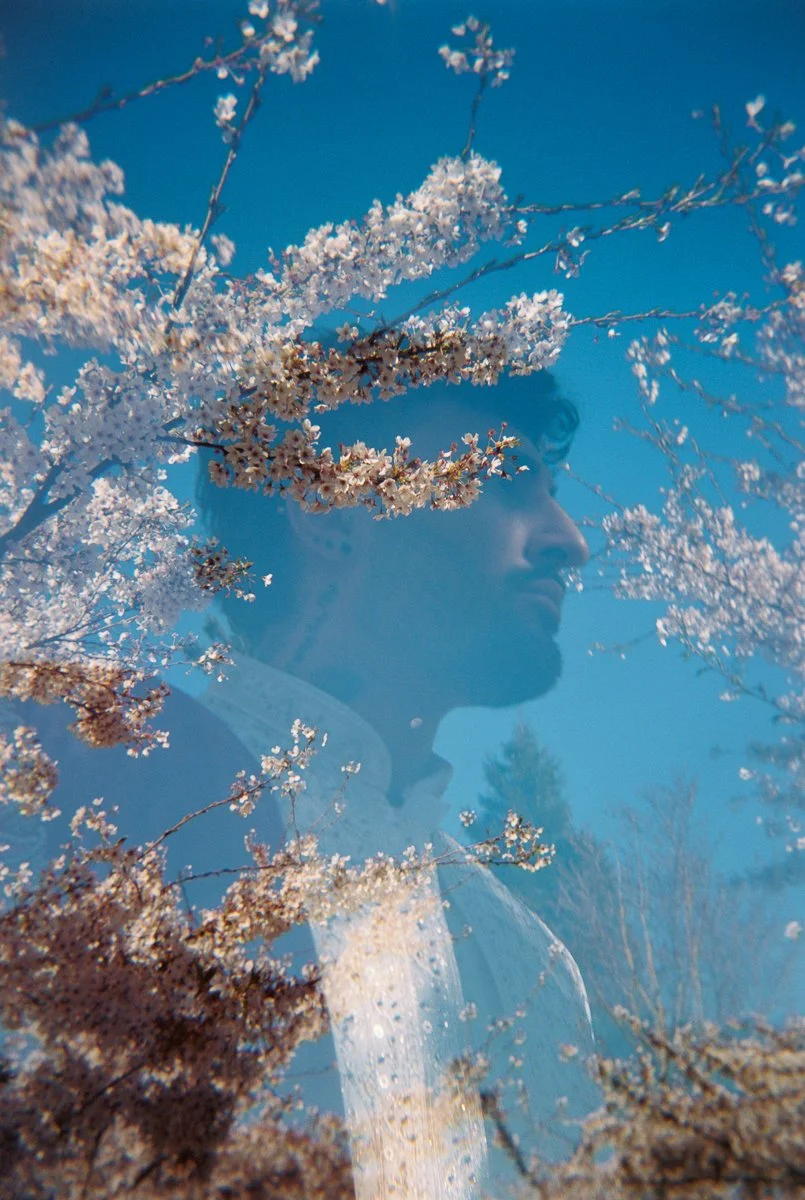
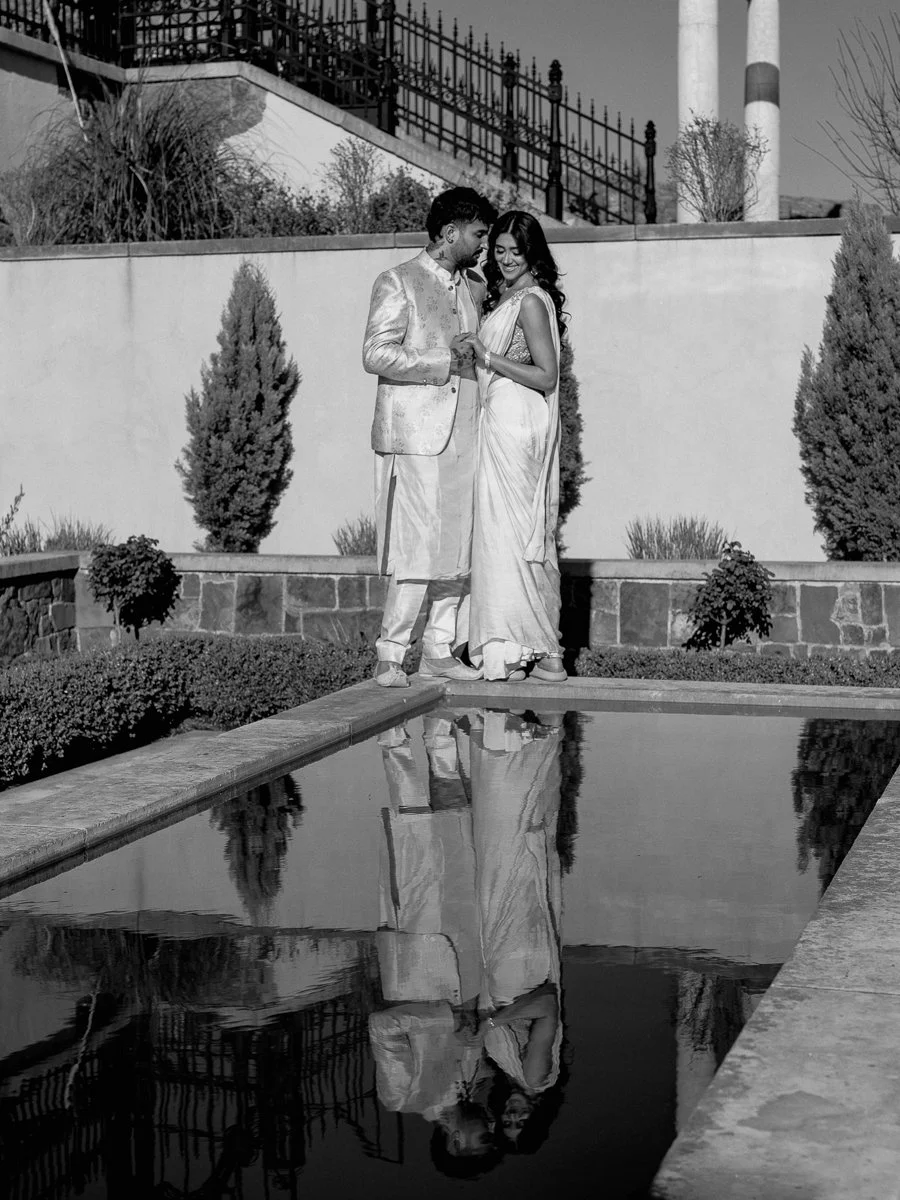
I paid attention to where the light fell, chose angles that made the architecture stronger or more interesting, and made the shadows and backlighting work with me. I used double exposures to layer details into softer images and give the gallery a few unexpected turns. For some shots, I leaned into the contrast and gave it a little edge.
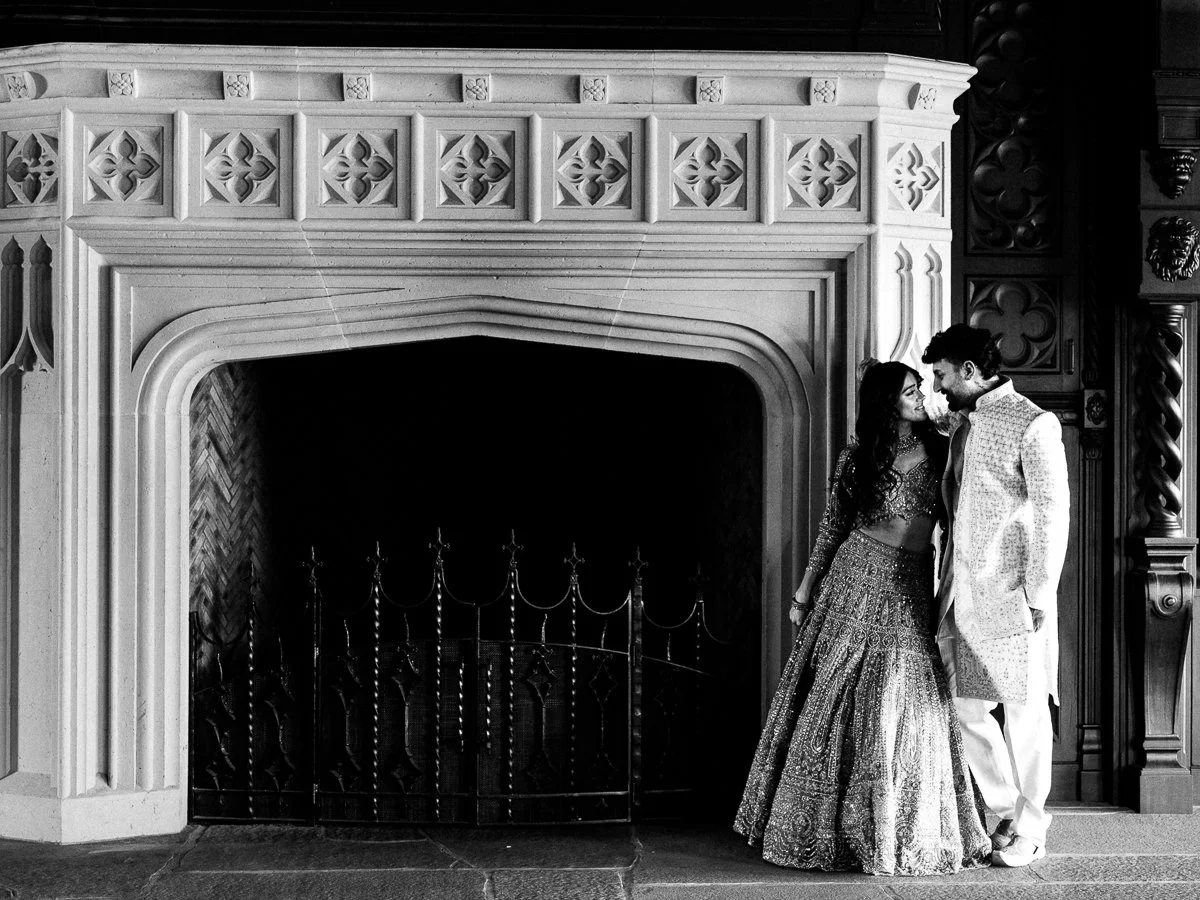
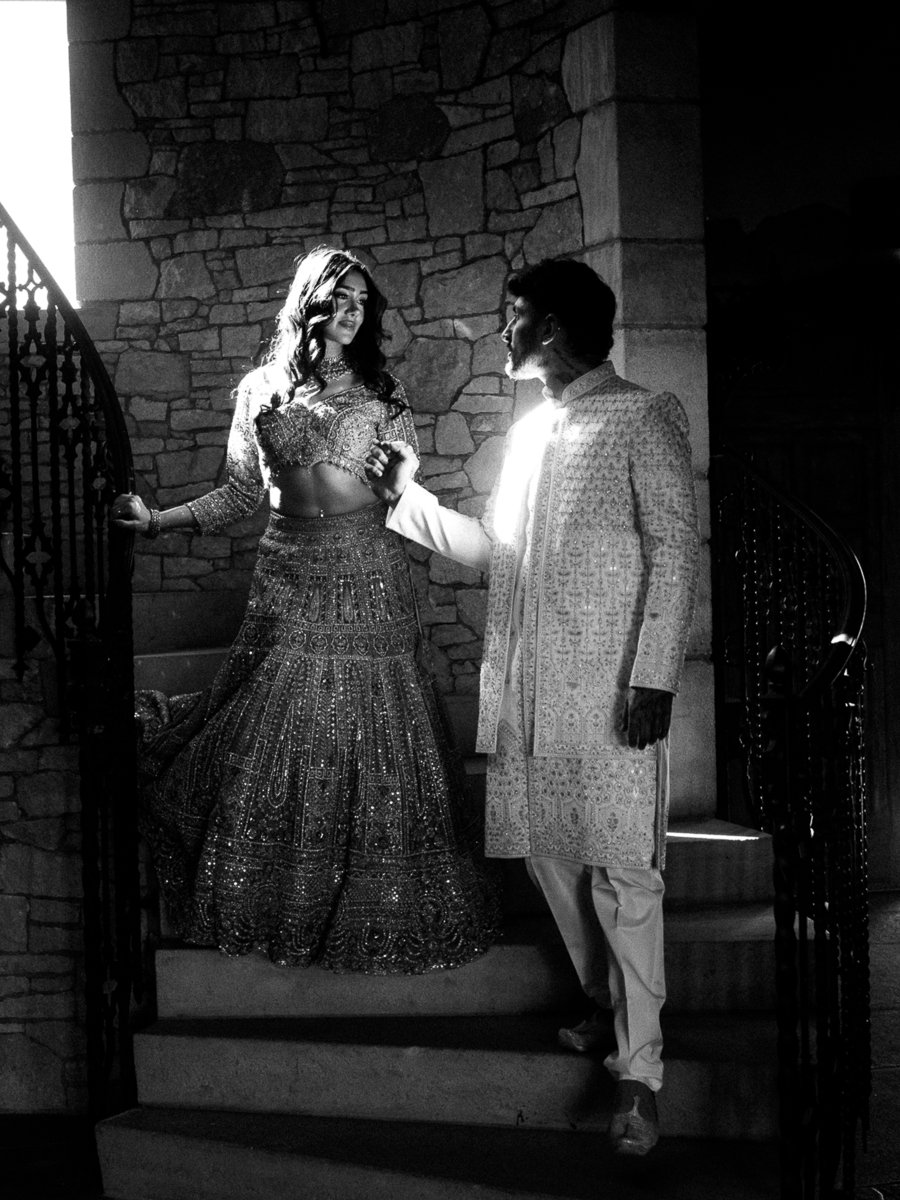
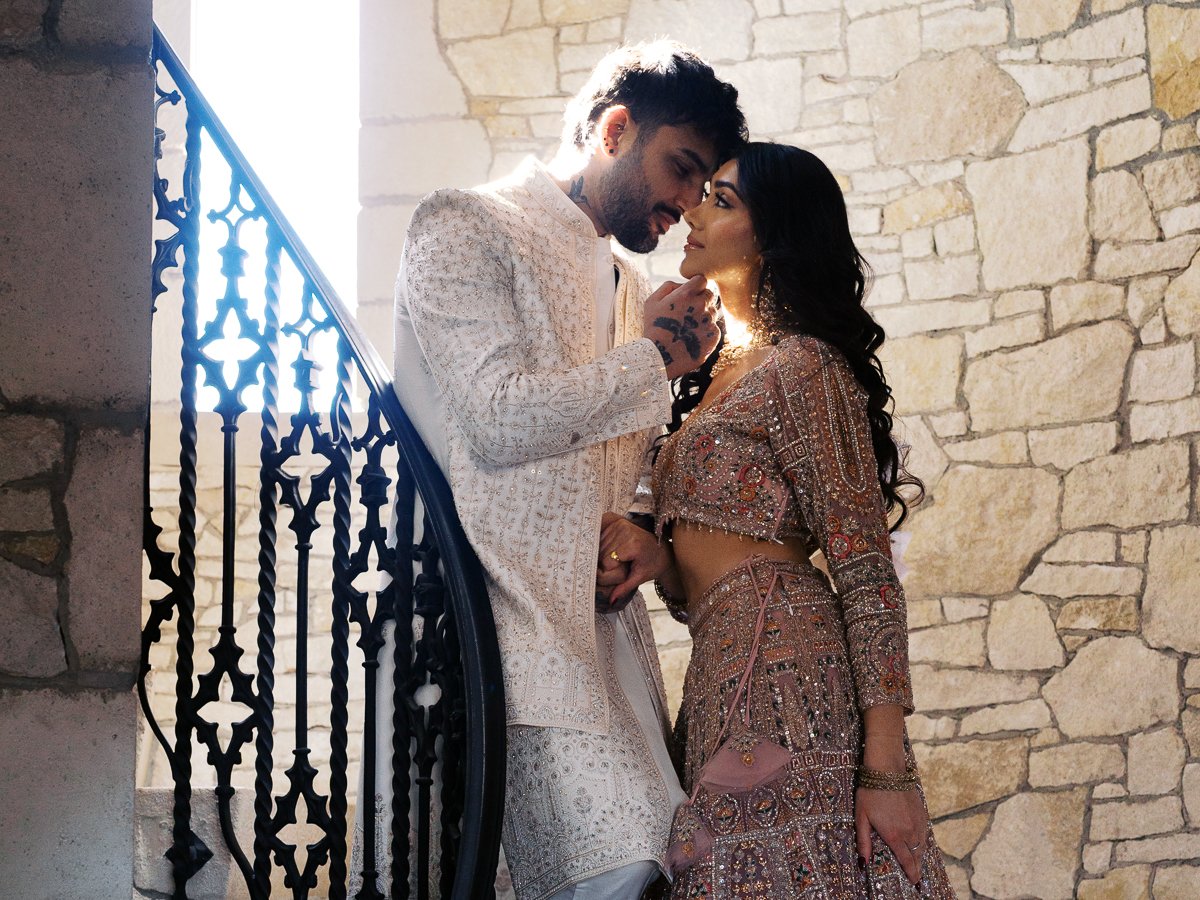
Technical and creative skill gave me choices when the obvious ones were gone. In a dark corridor, I found one strong beam of afternoon sun and used it to create portraits that were bursting with drama. For an editorial built around color and light, that might have seemed like a strange place to stop, but I knew exactly what the dynamic lighting would add to the gallery.
Editorial Wedding Photography Needs More Than Color
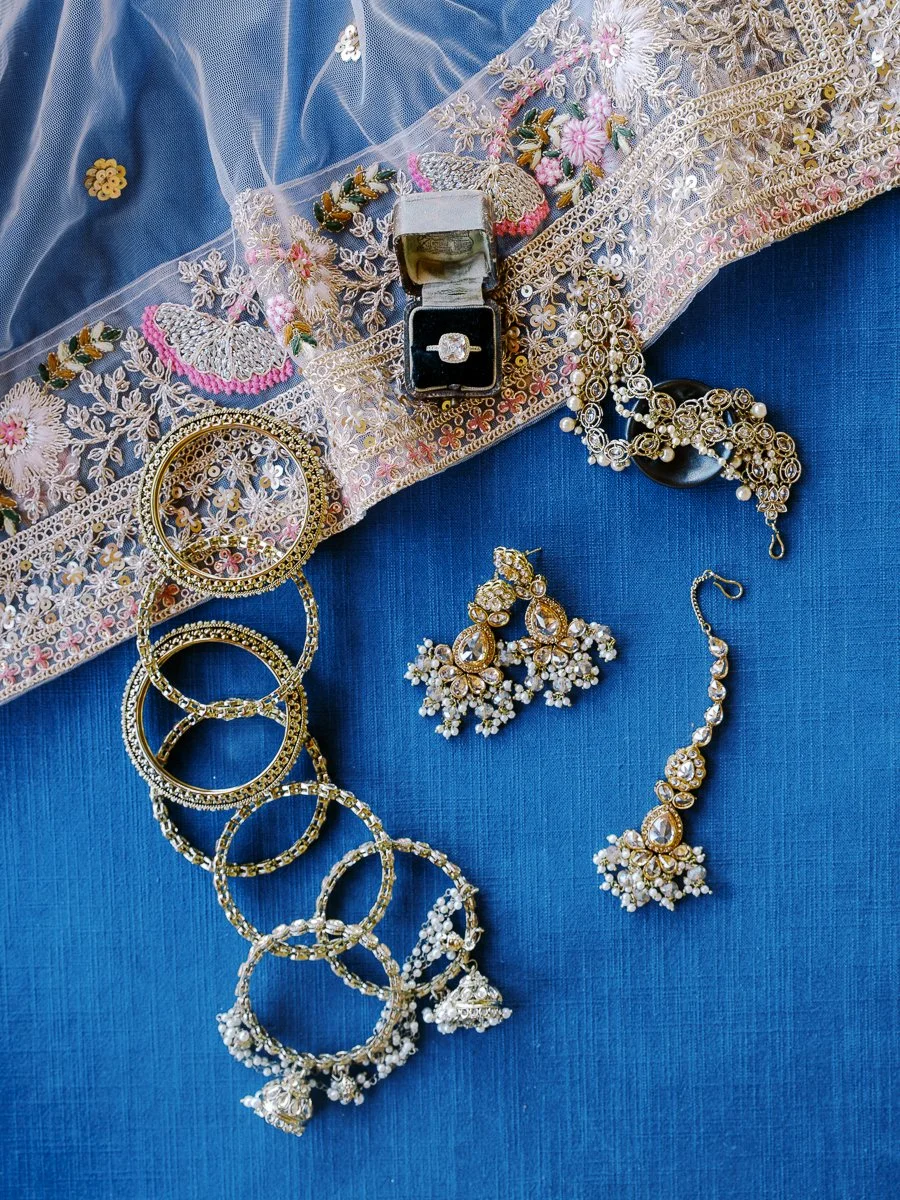
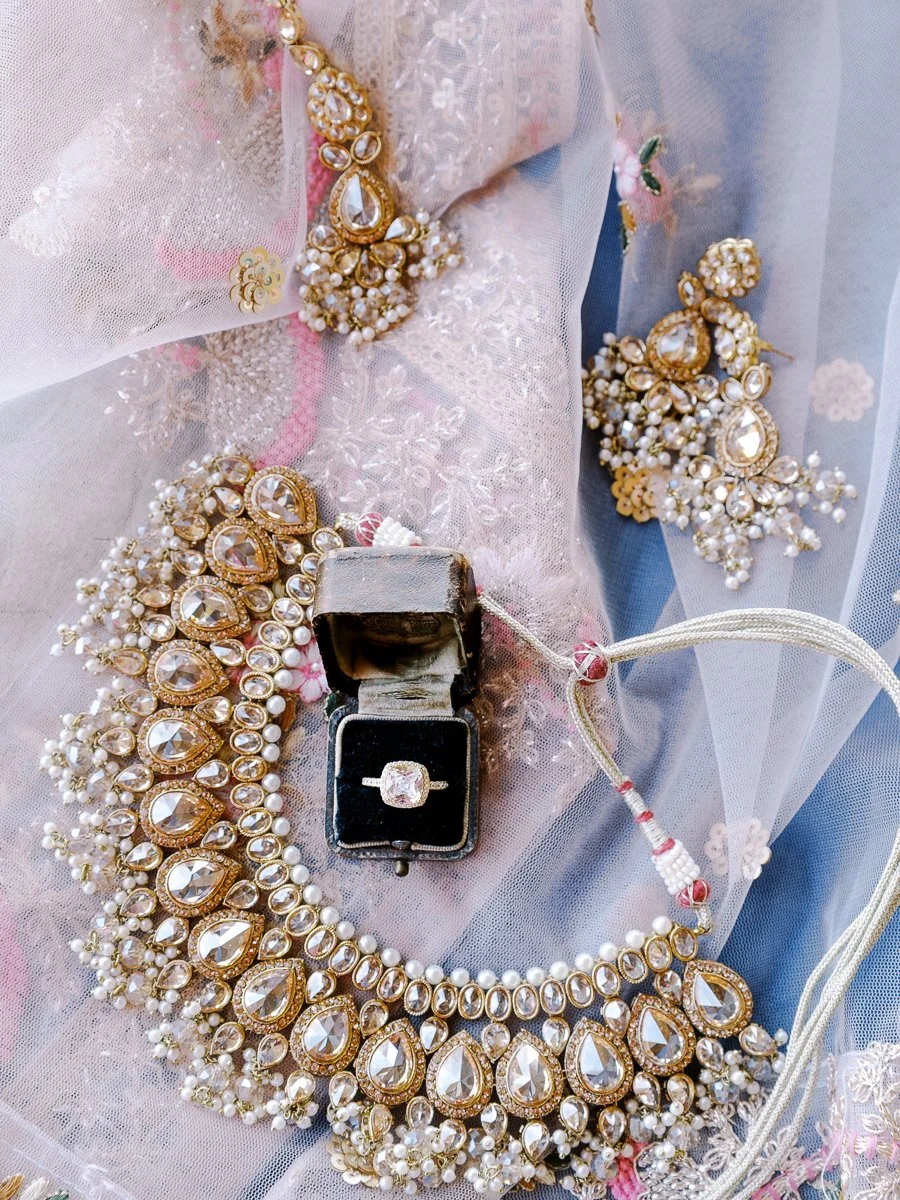
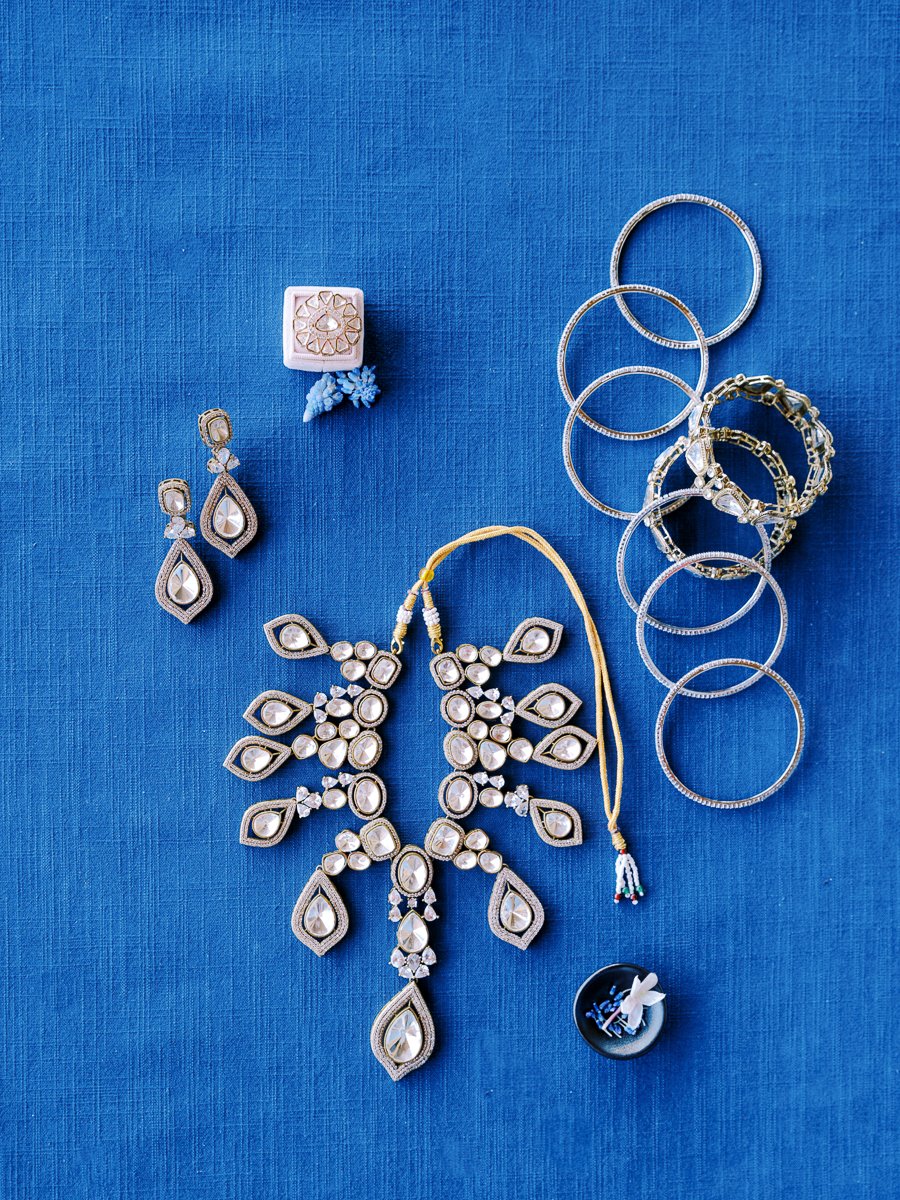
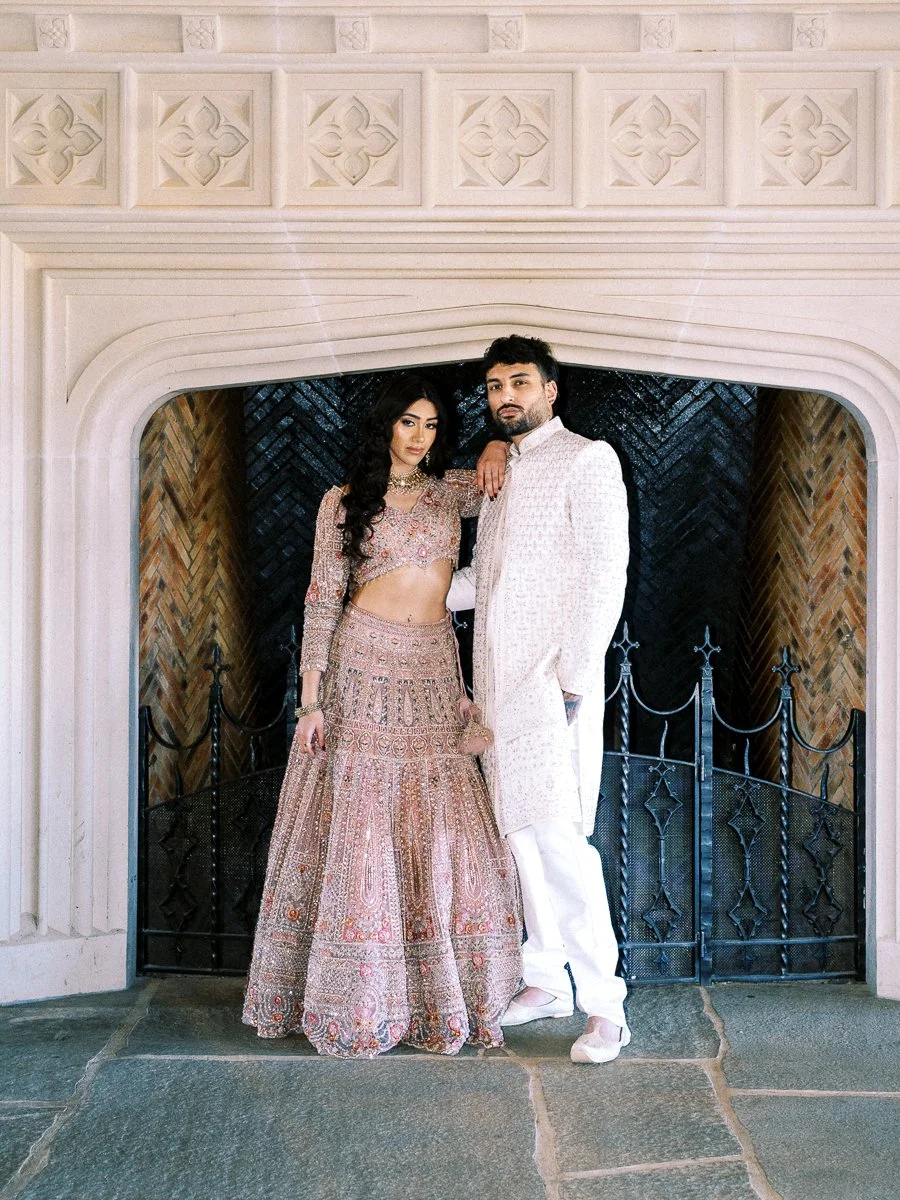
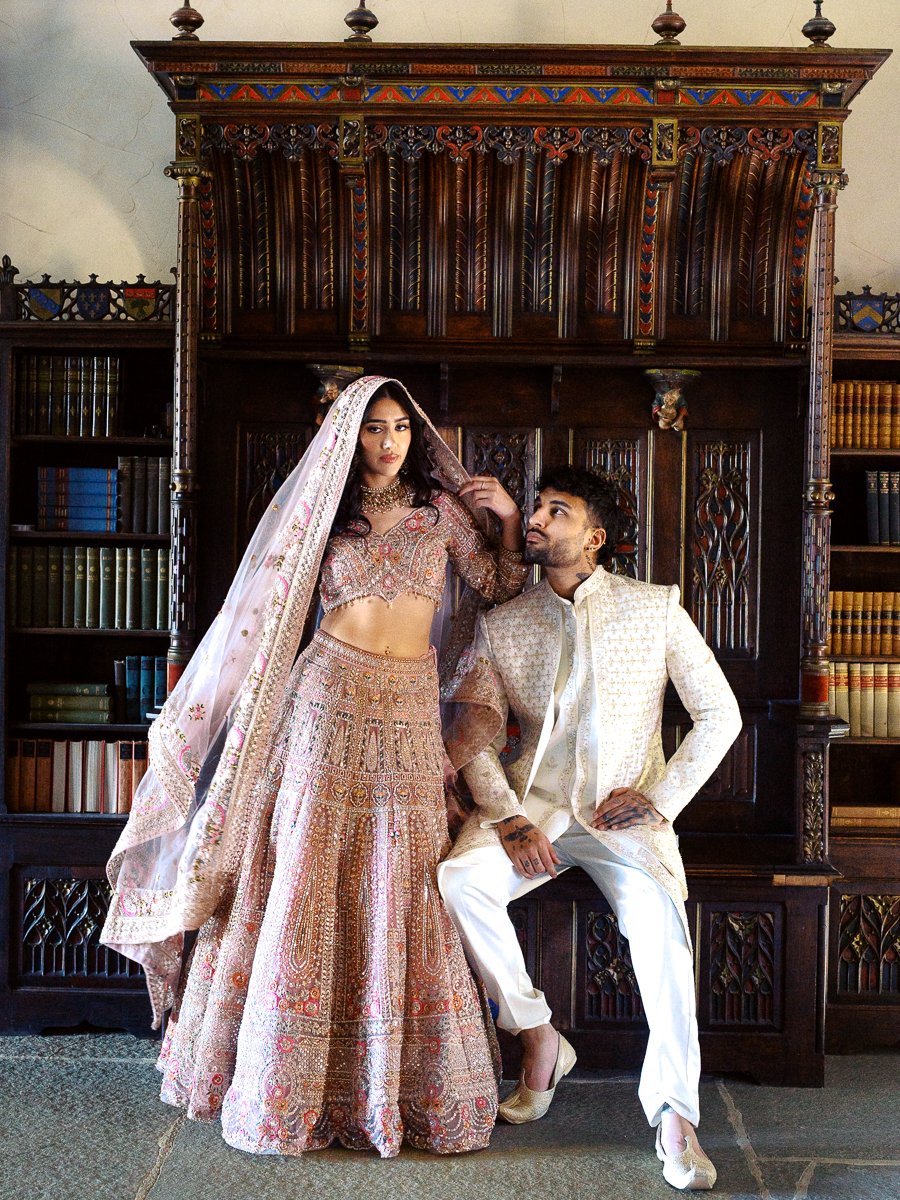
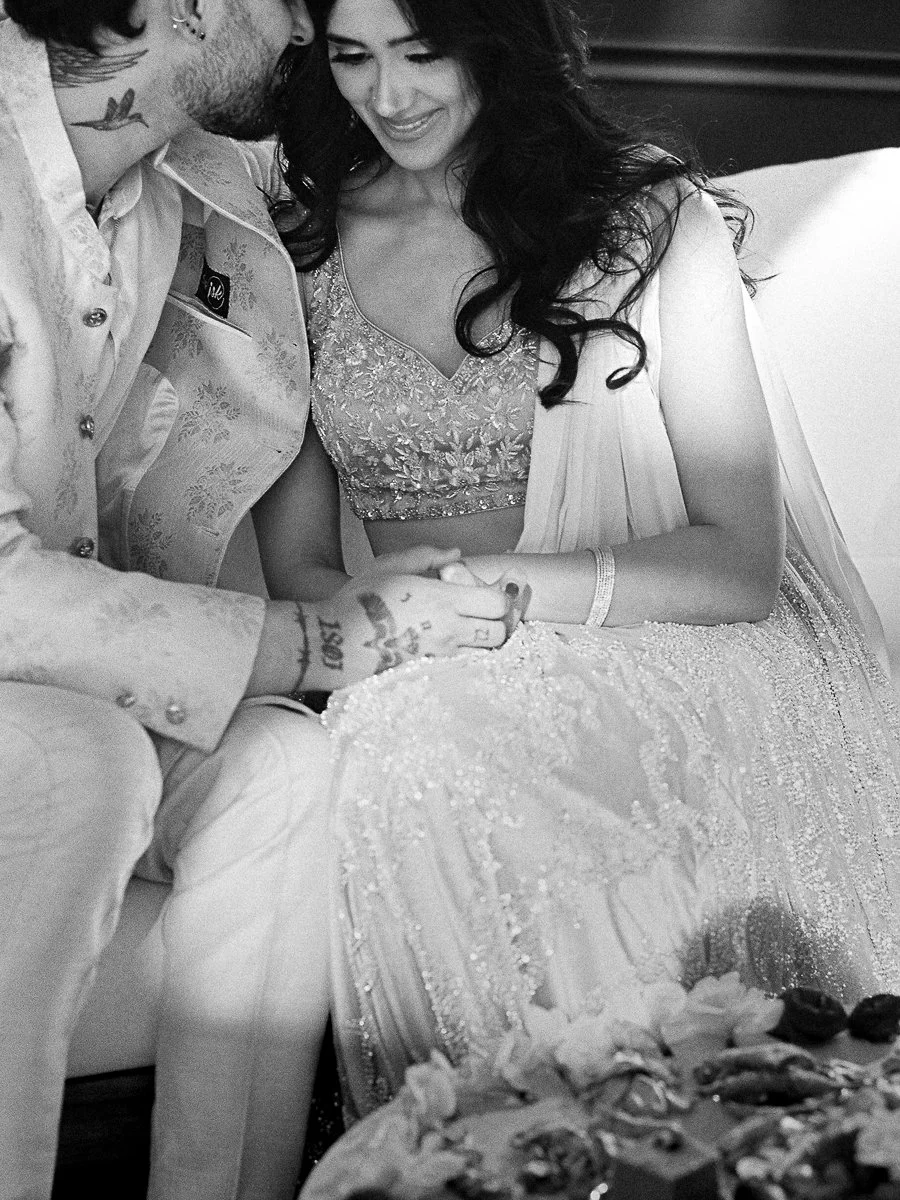
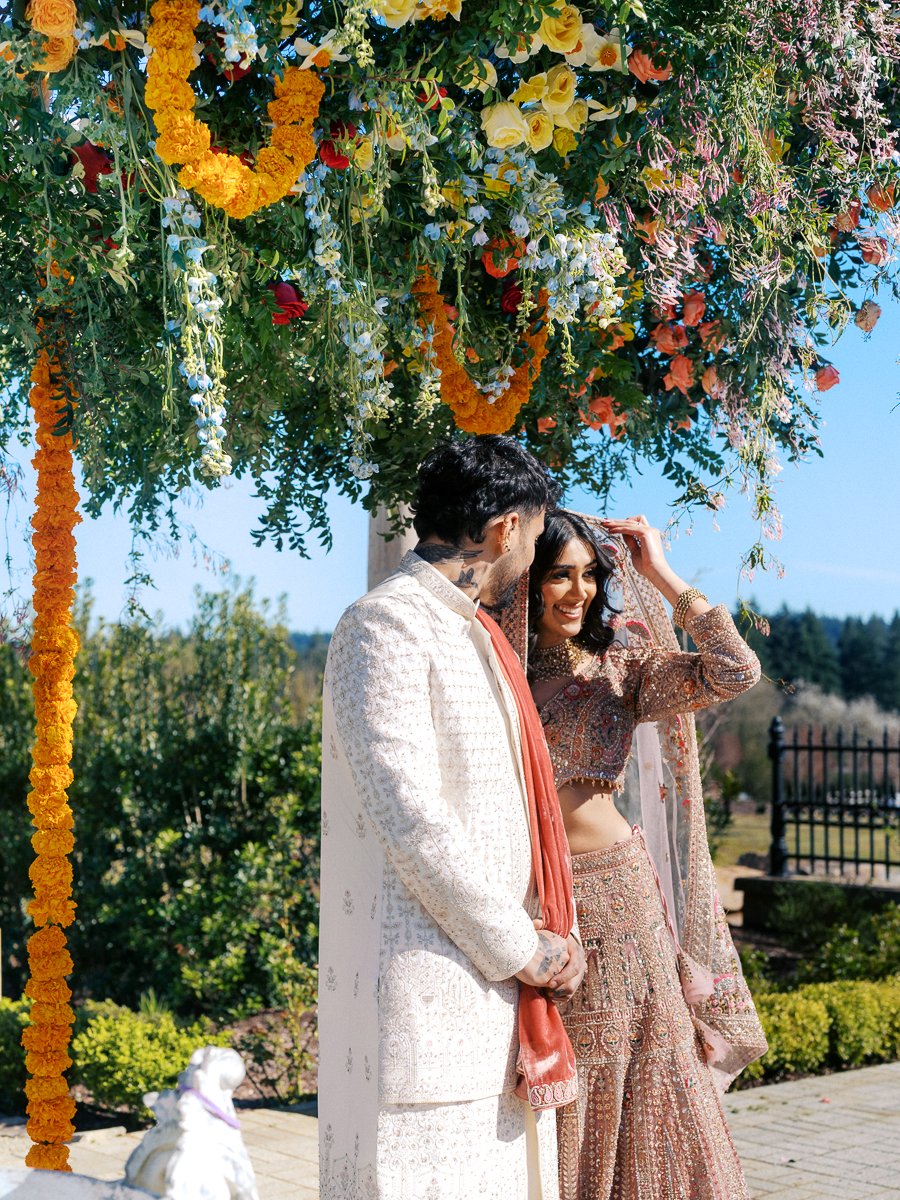
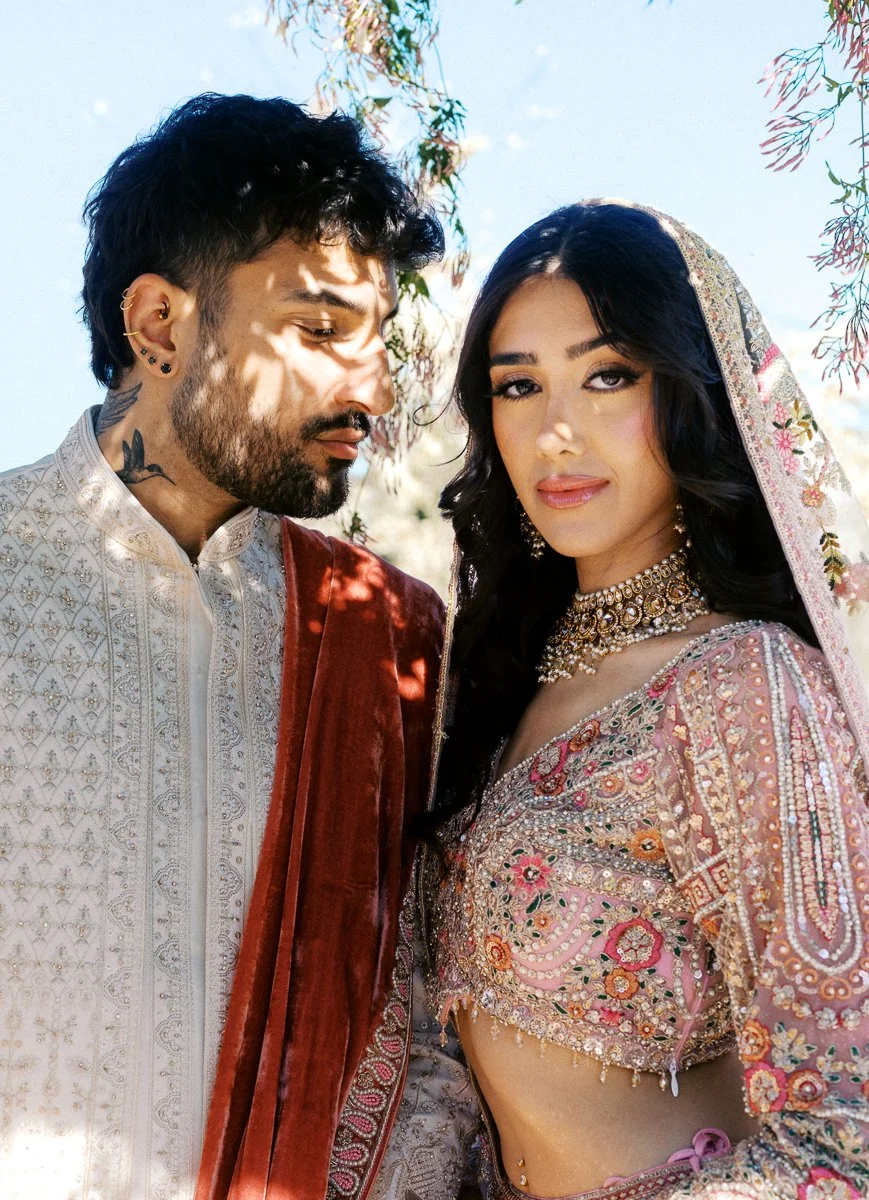
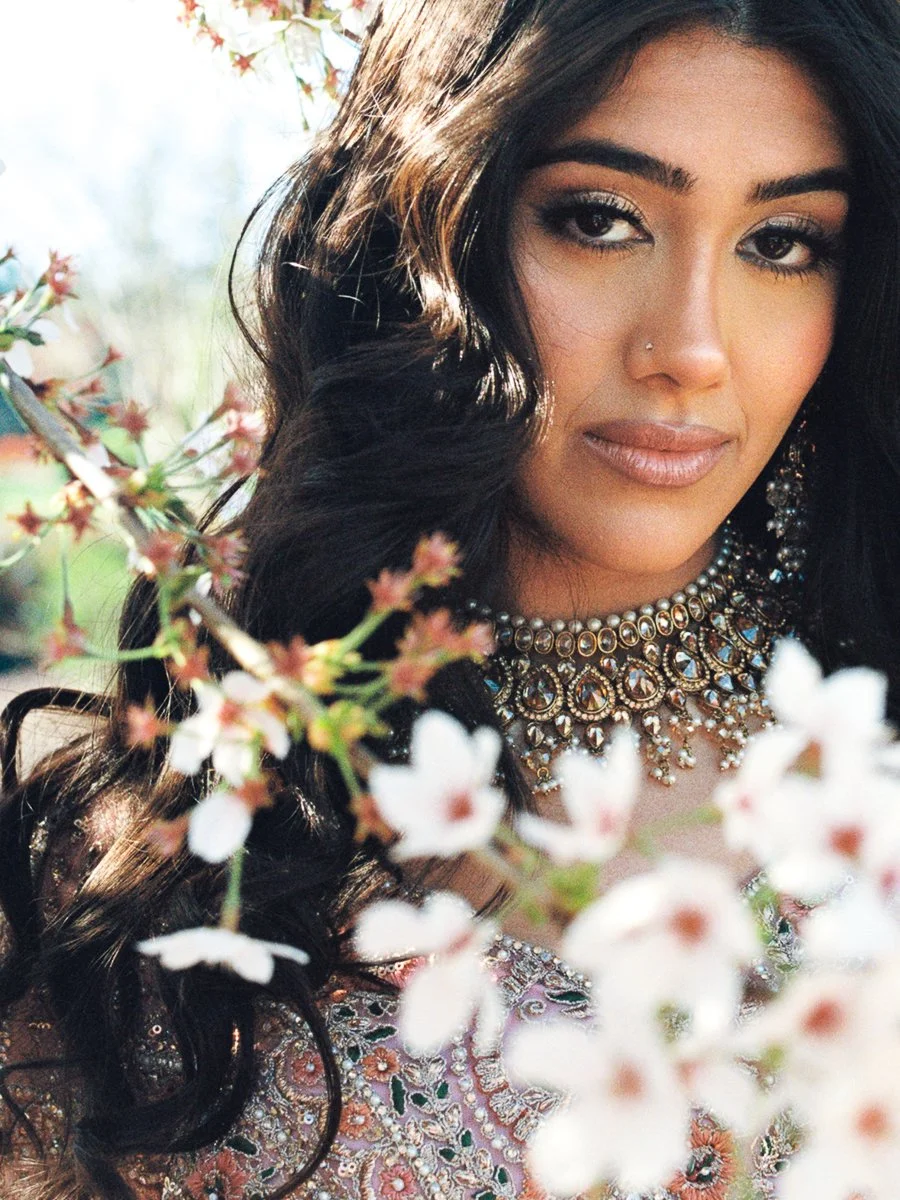
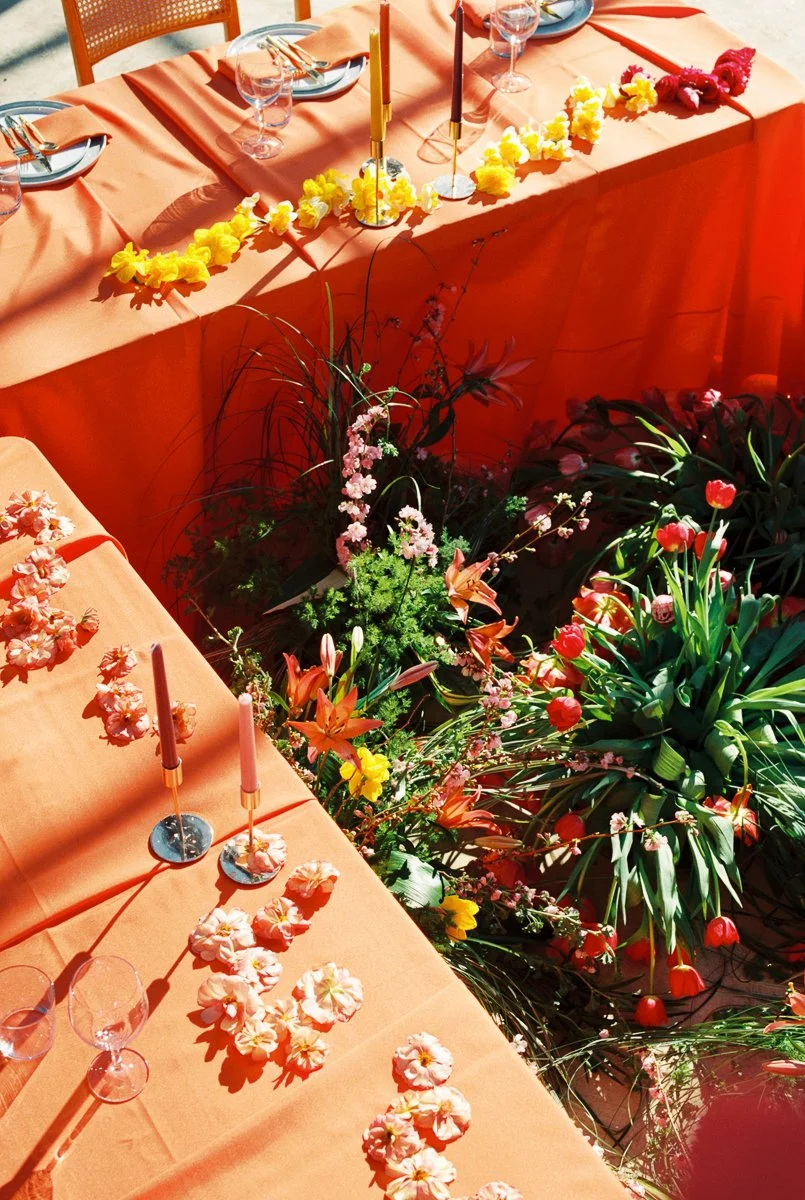
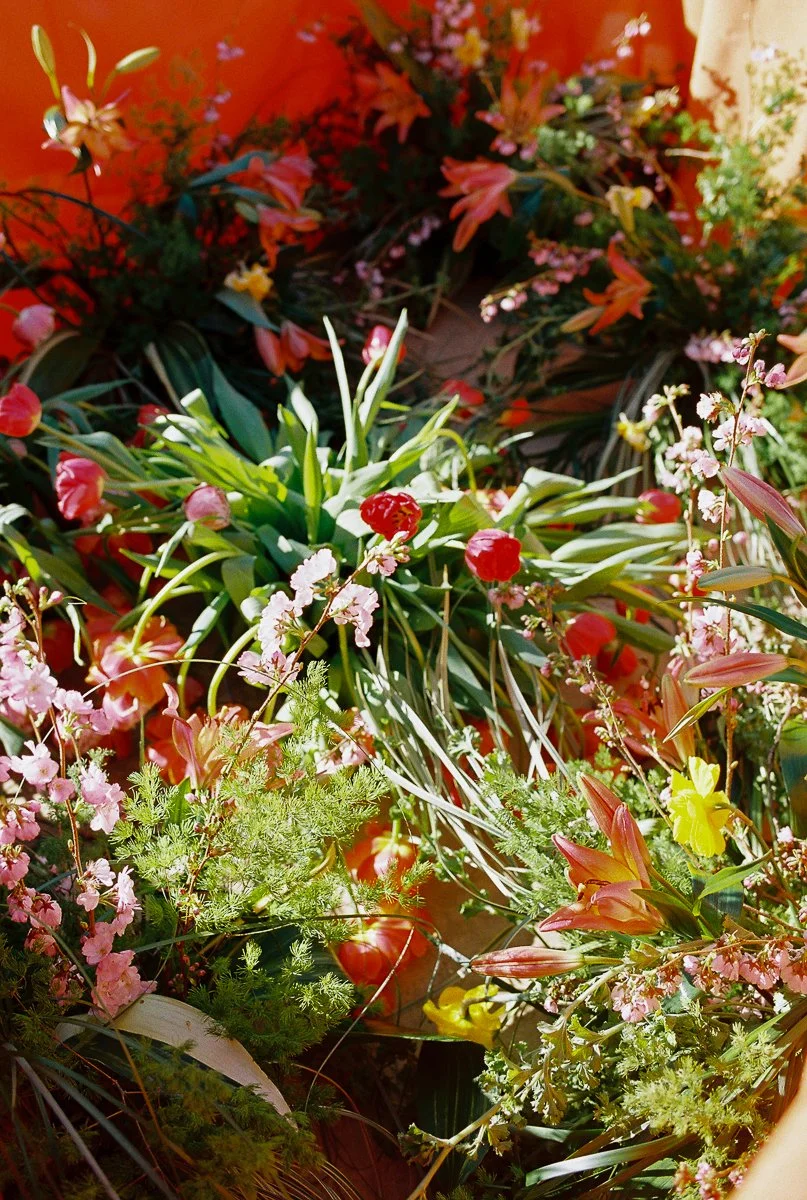
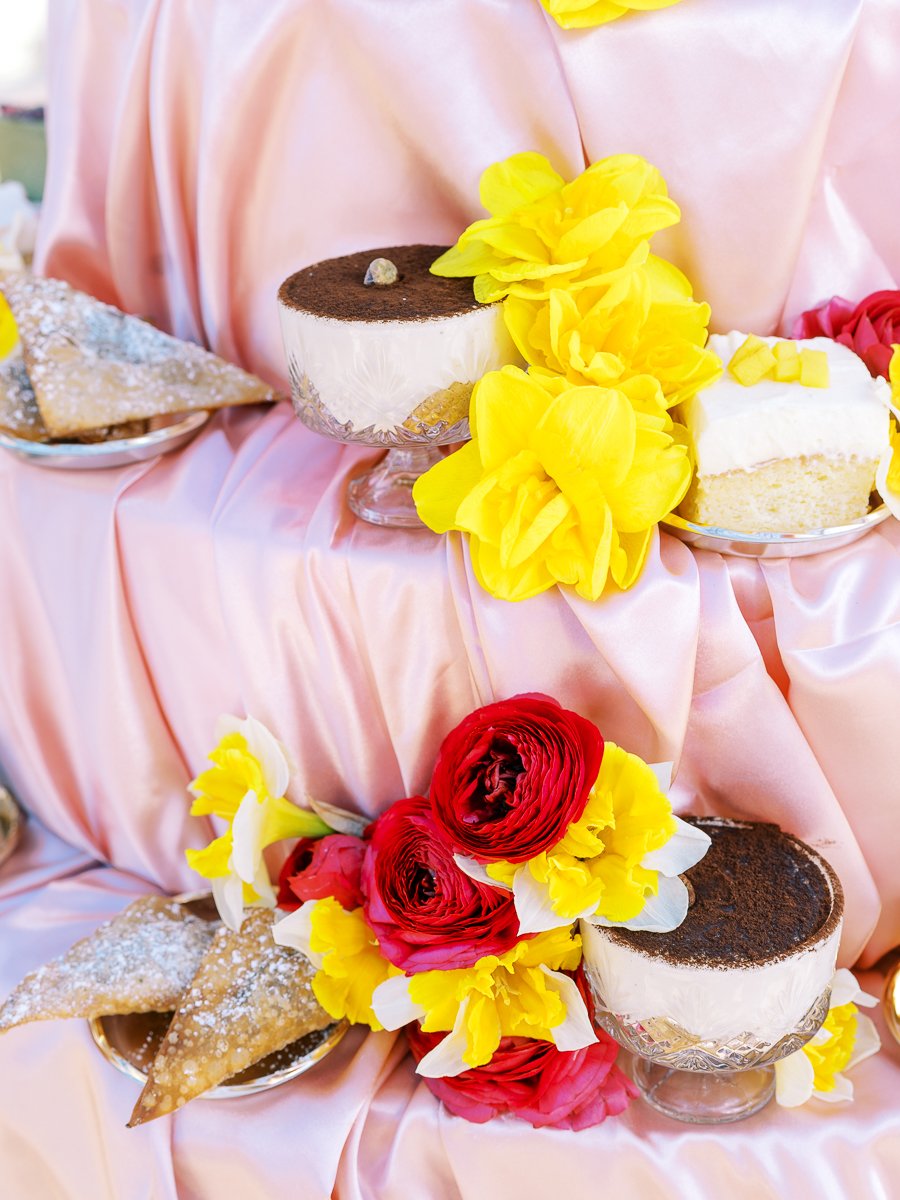
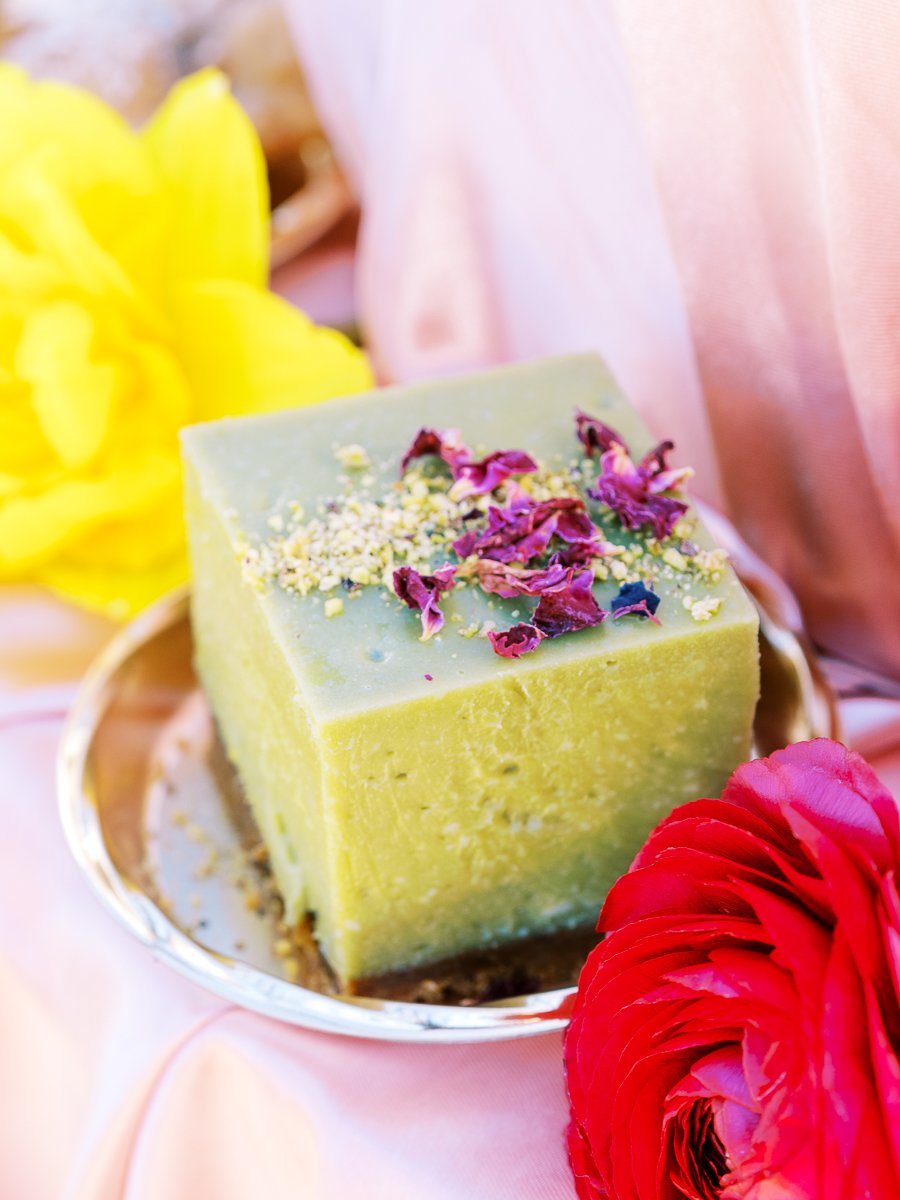
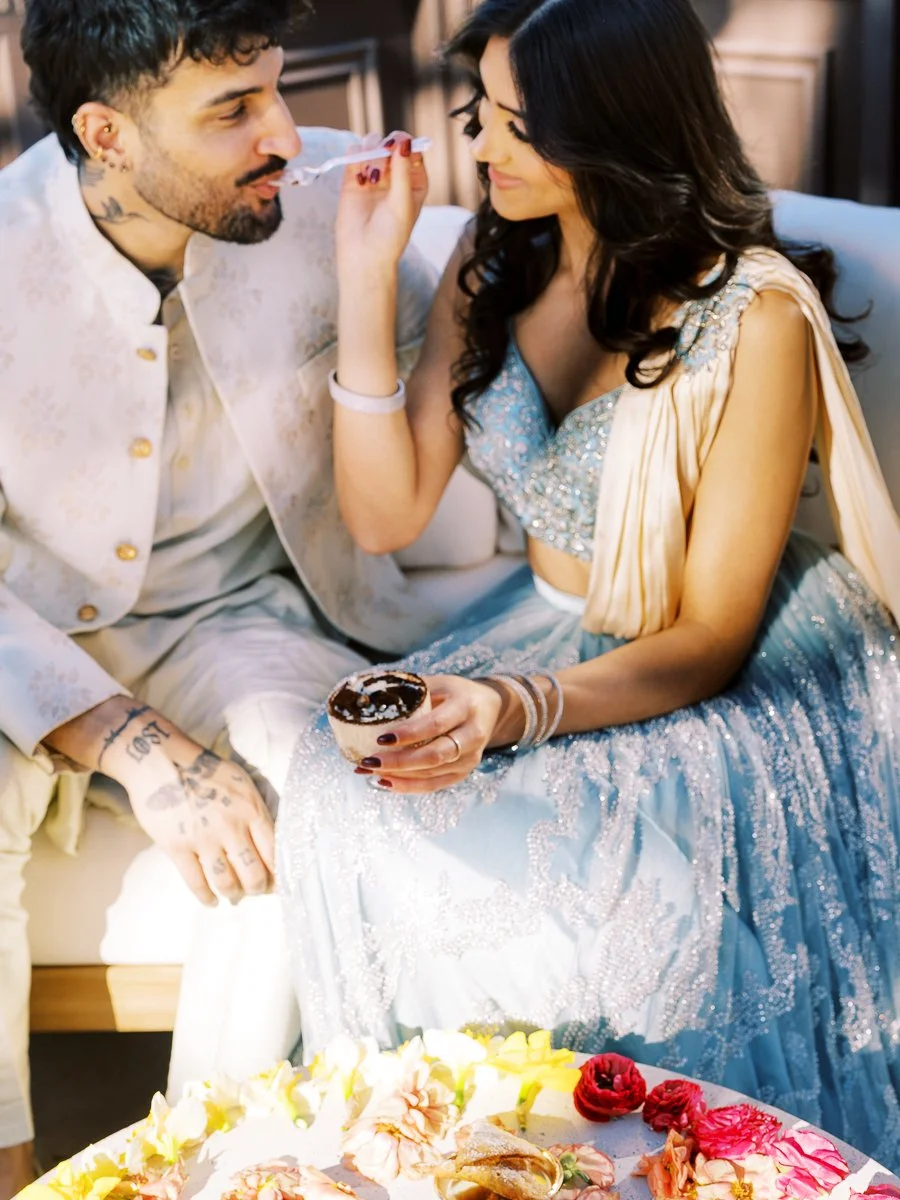
One thing this shoot did not lack was color. The florals, wardrobe, and even the desserts all could've easily been the main character. My job was to give them each a place in the overall design without letting everything compete at once.
Sometimes I wanted color to fill the frame. Other times I used it to draw your eye toward a person or give shape to a composition. A floral installation could be the star of one photograph and the supporting cast in the next.
That’s what I love about colorful wedding photography. I get to find fun ways of preserving all the personality and visual richness of a celebration while making images that still have a clear message and feeling.
I Wasn’t Going to Let Chaos Win
So much care went into this editorial. Vendors showed up with ambitious ideas, magnificent pieces, and the determination to see things through on a difficult day. I wanted the photographs to do justice to that effort and make their talent impossible to miss.
I watched everyone on the team pour themselves into what they were making. That's the thing with creatives. Everything is personal for us. Our work carries a piece of who we are, and I wasn’t about to let theirs slip by without being seen.
After hours of adrenaline-fueled problem solving, I set my camera down as the last pieces of the ceremony installation were dismantled. I even helped carry them away, looking like a proper swamp thing in the process.
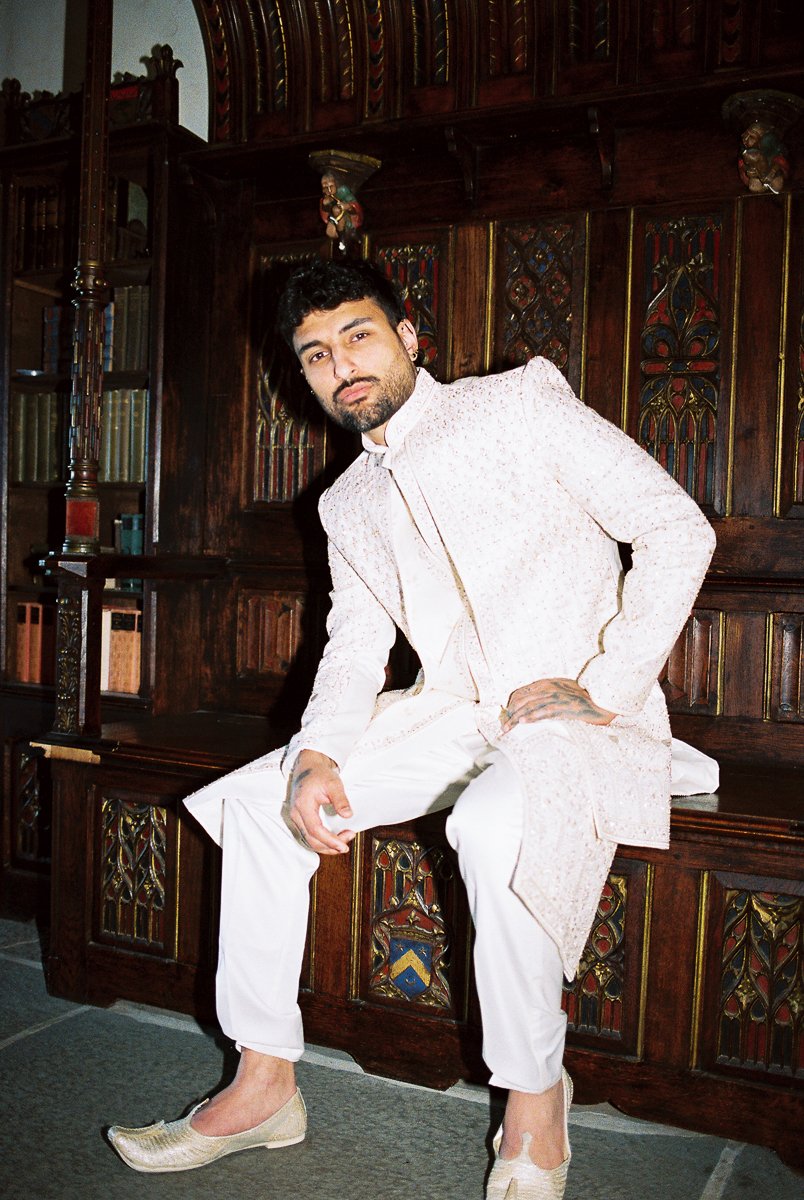
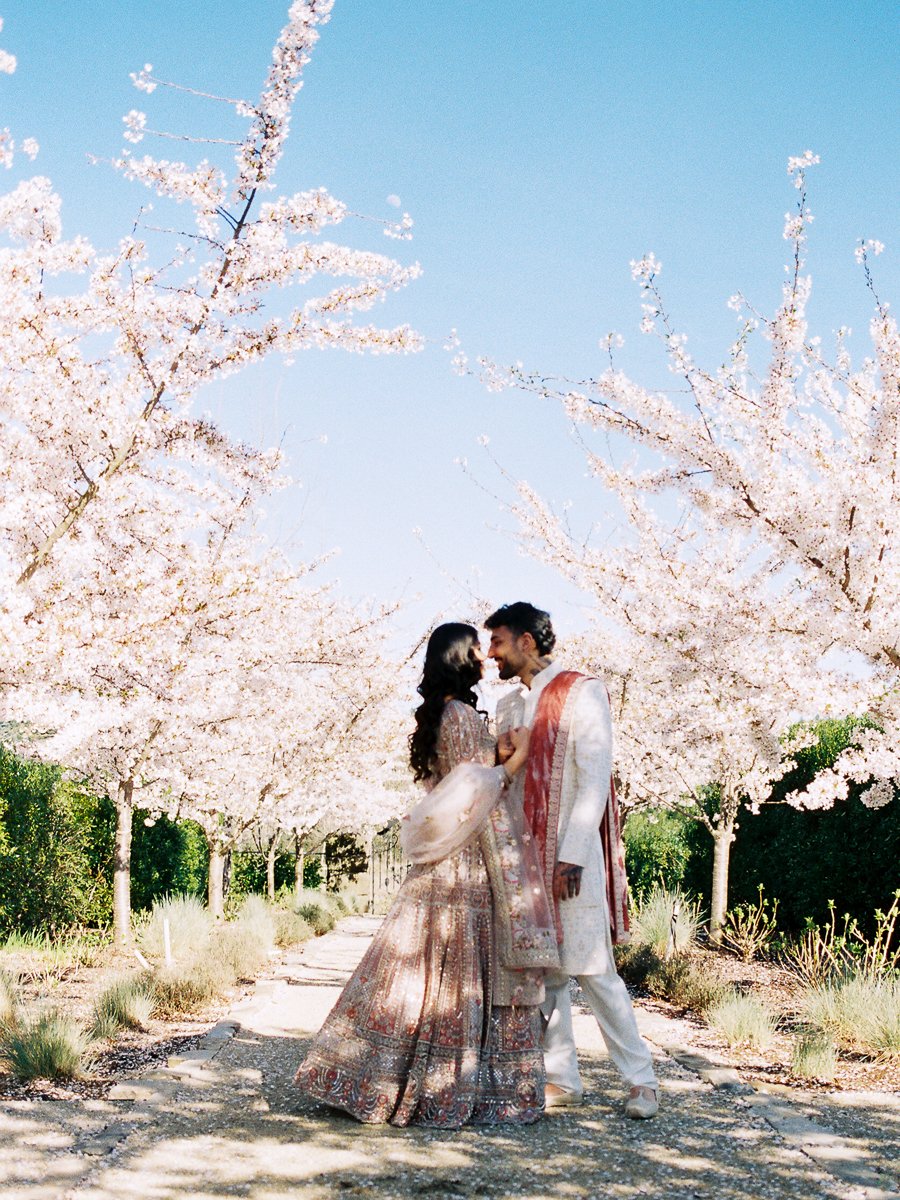
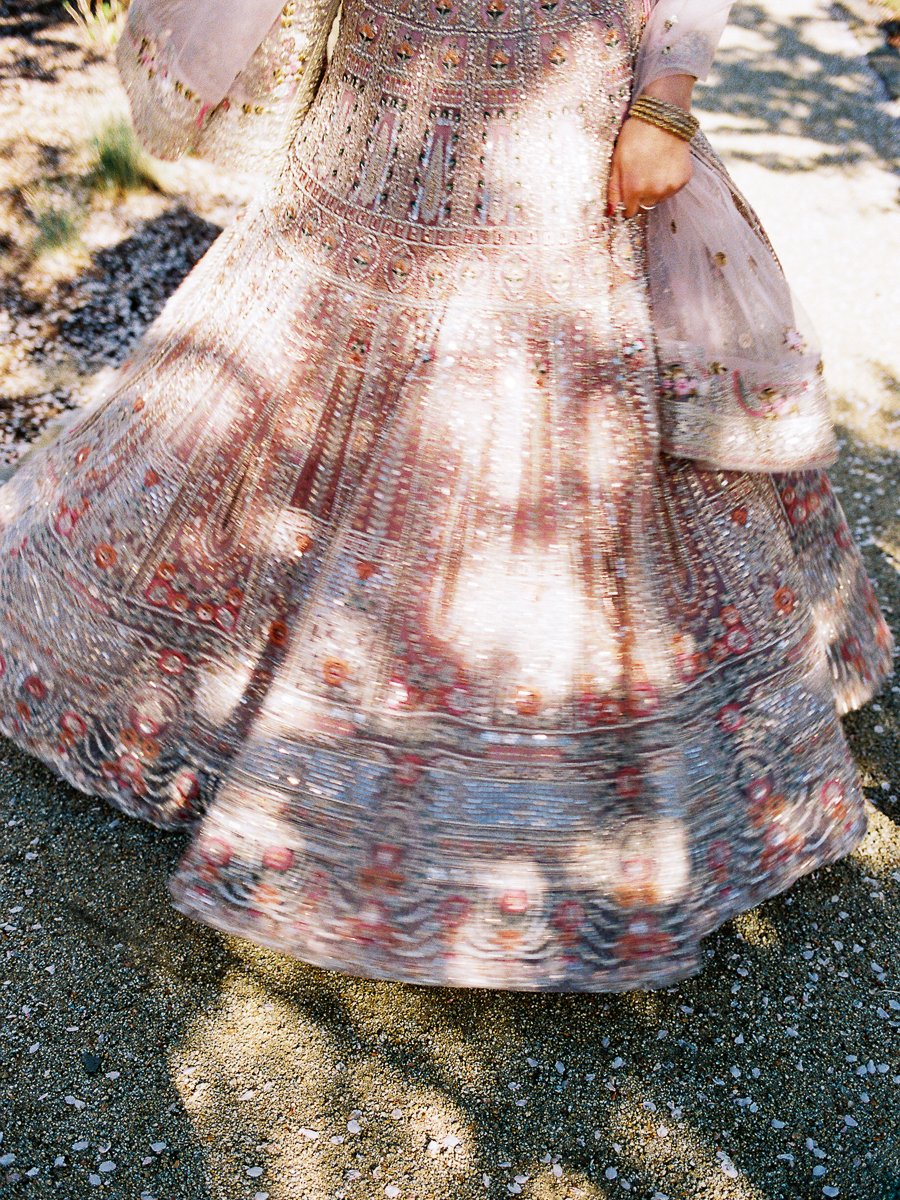
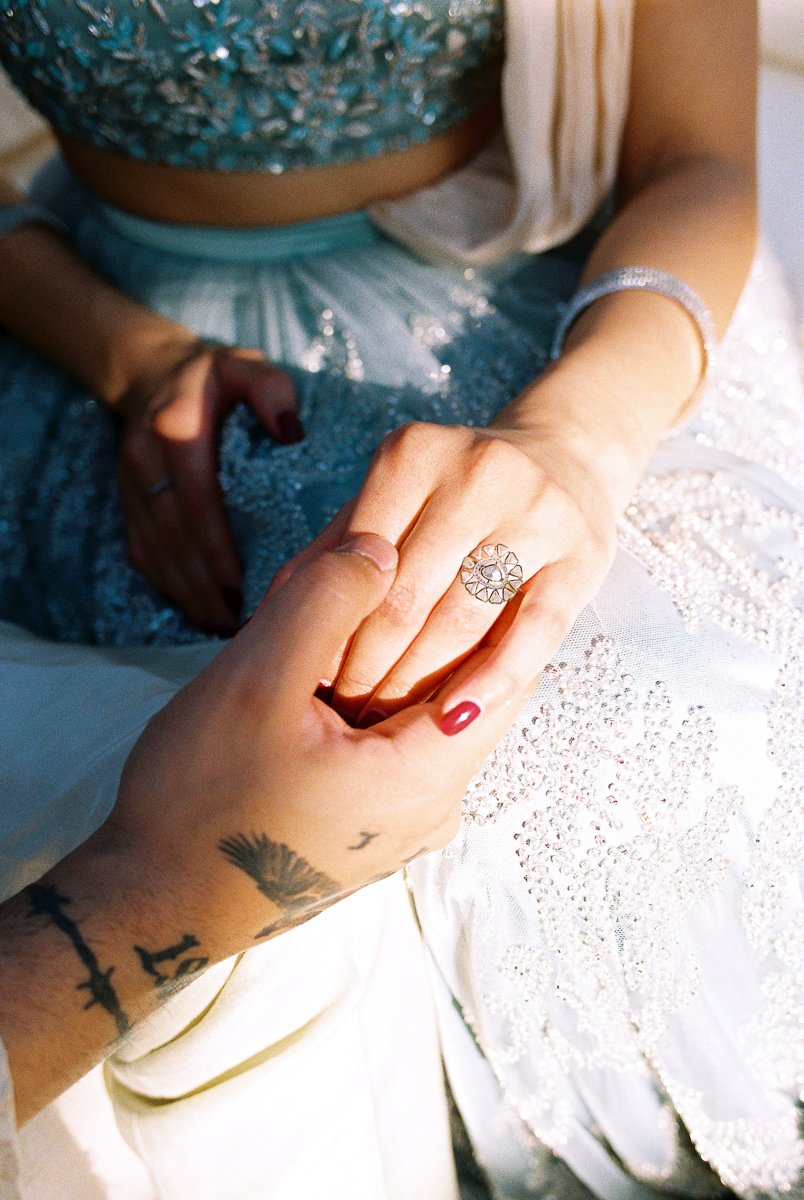
And the result? A gallery with an actual pulse. It holds the color, energy, and motion of the day alongside the softness and drama. The unapologetic orange hues, all the cultural textiles, and the quietly distinguished architecture all get their moment. Nothing in this gallery asks you to lower your expectations because the day snowballed into chaos.
That’s why all those decisions were important. That's why who you choose to be at the helm matters.
Wedding days have their own version of this, too. They're full of real people, emotion, complicated logistics, and once-in-a-lifetime moments. When the light isn’t what we hoped for, the timeline derails, or a vendor unexpectedly comes down with explosive diarrhea, I can still look you in the eye and confidently tell you, “I’ve got this.”
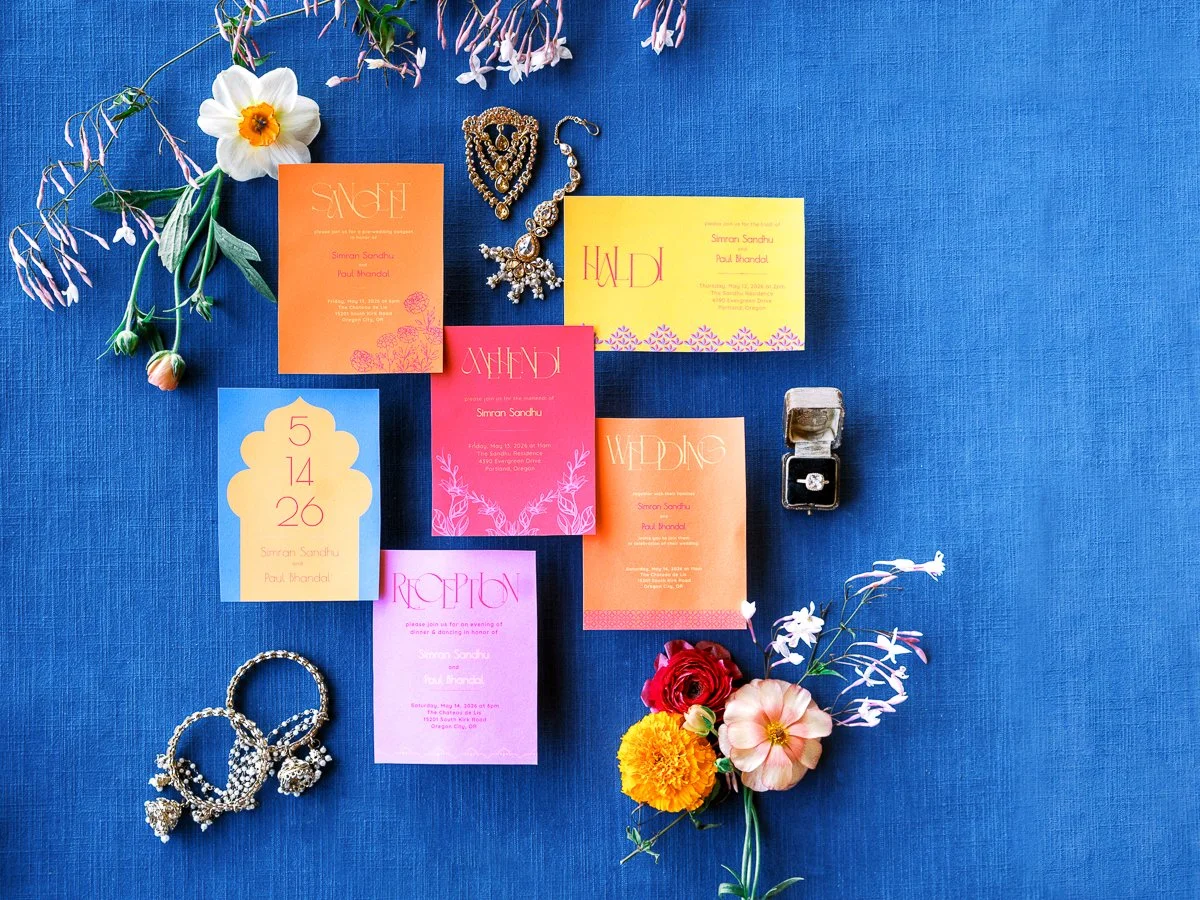
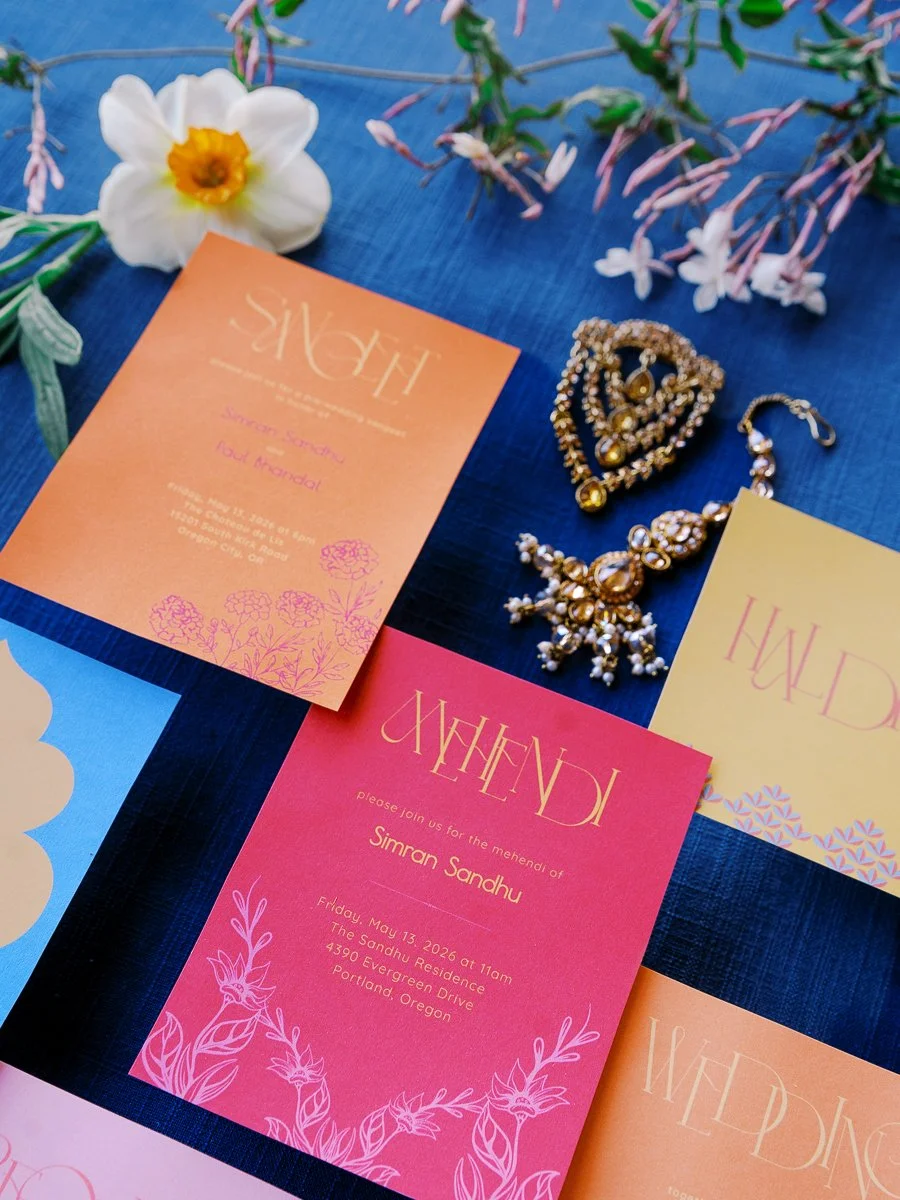
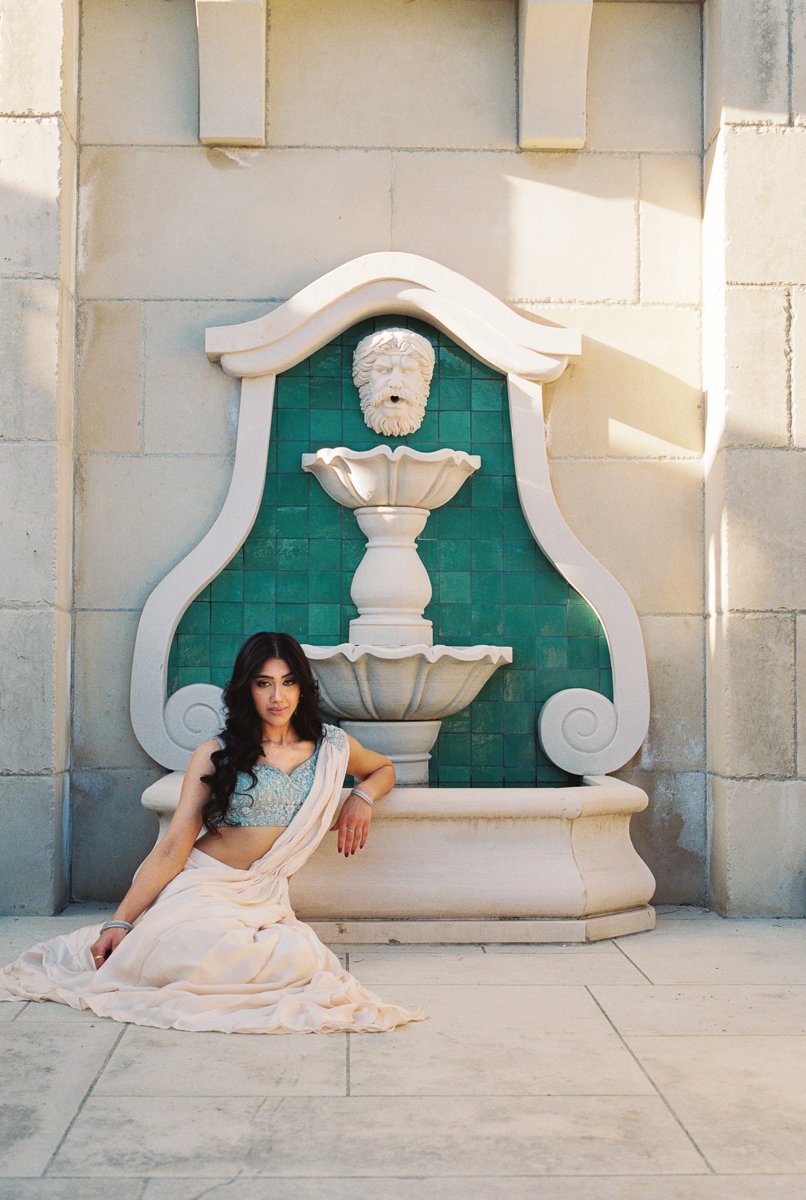
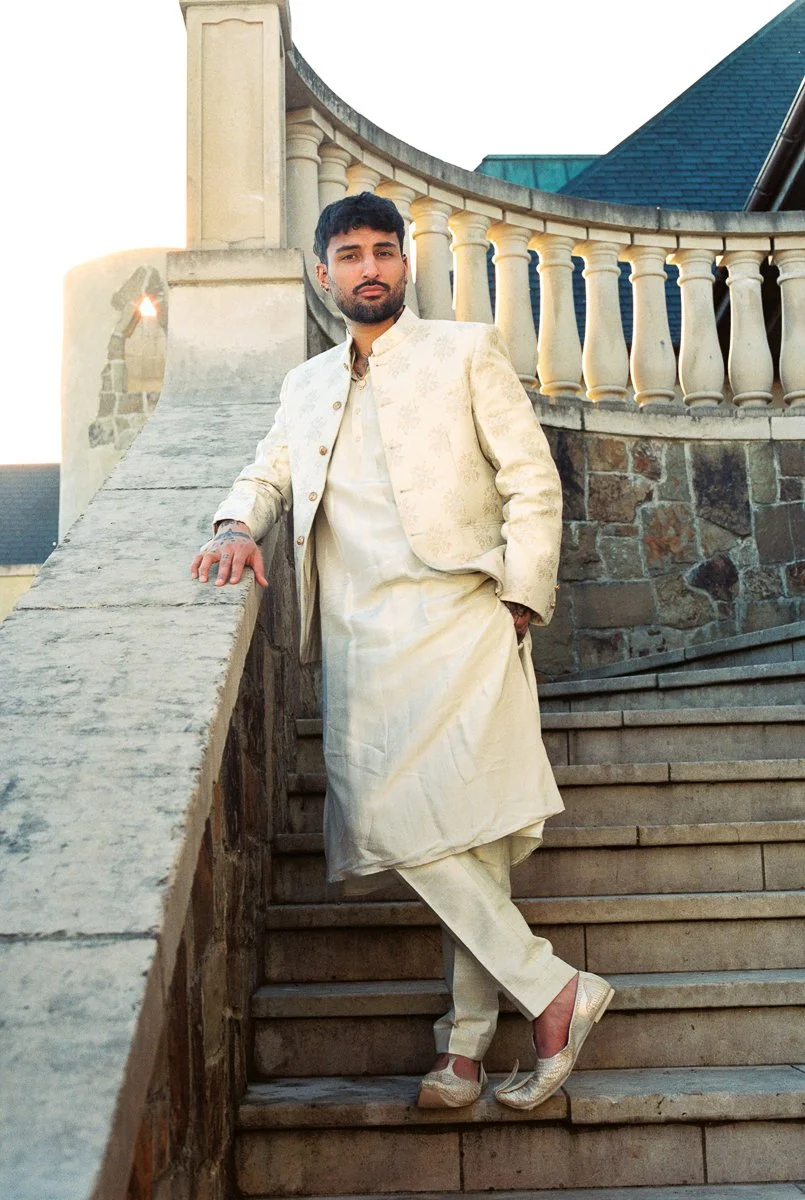
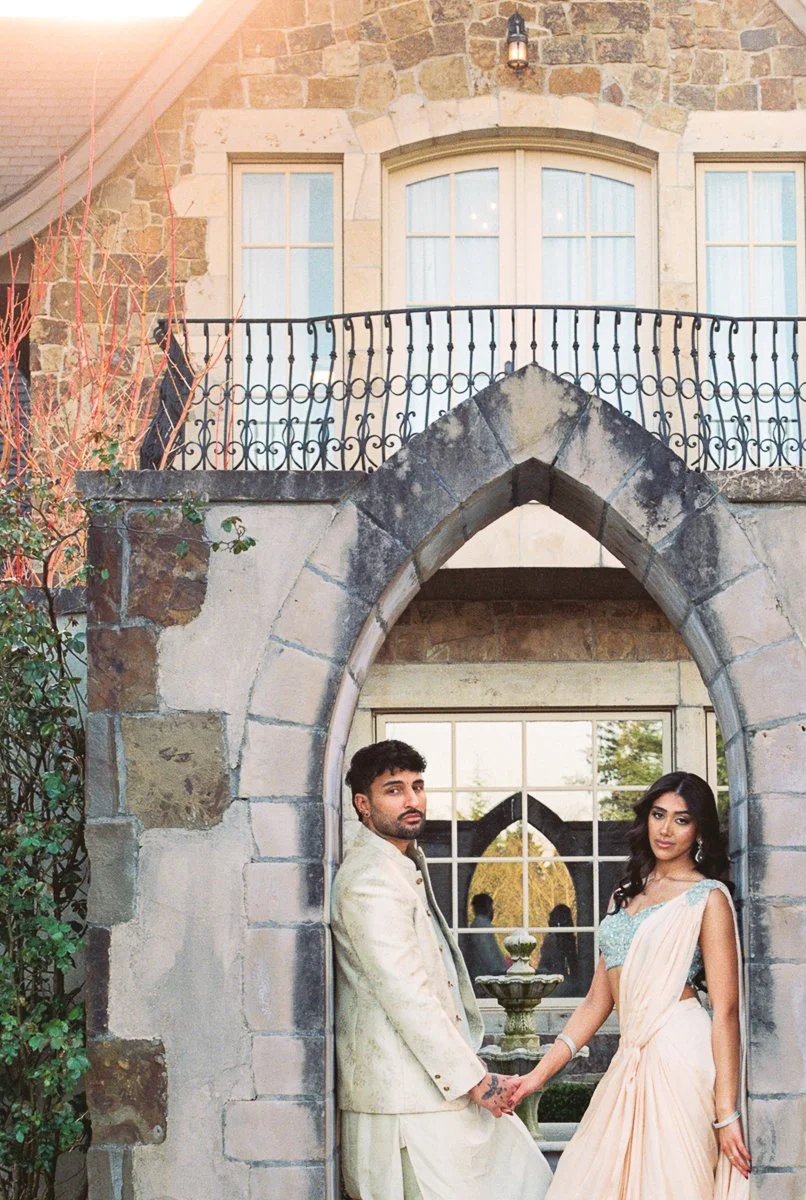
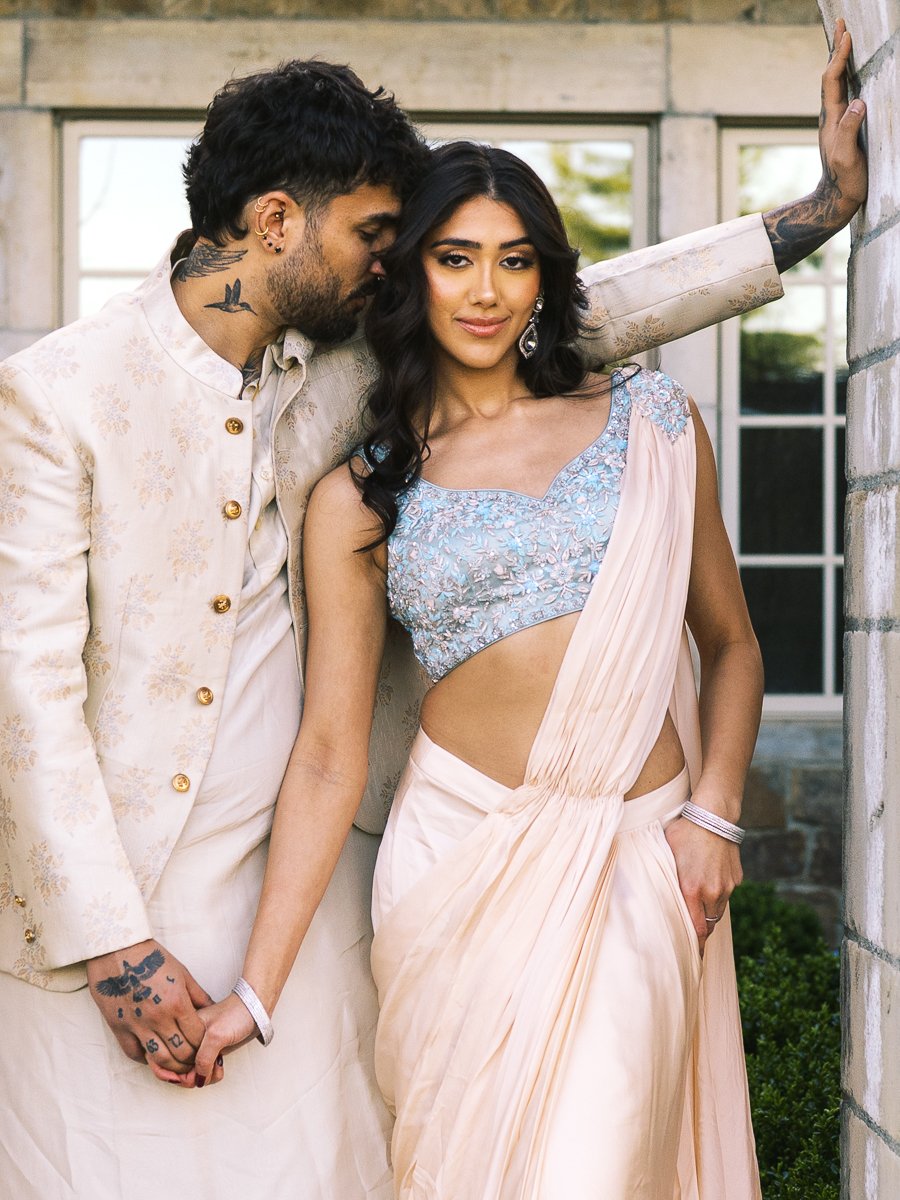
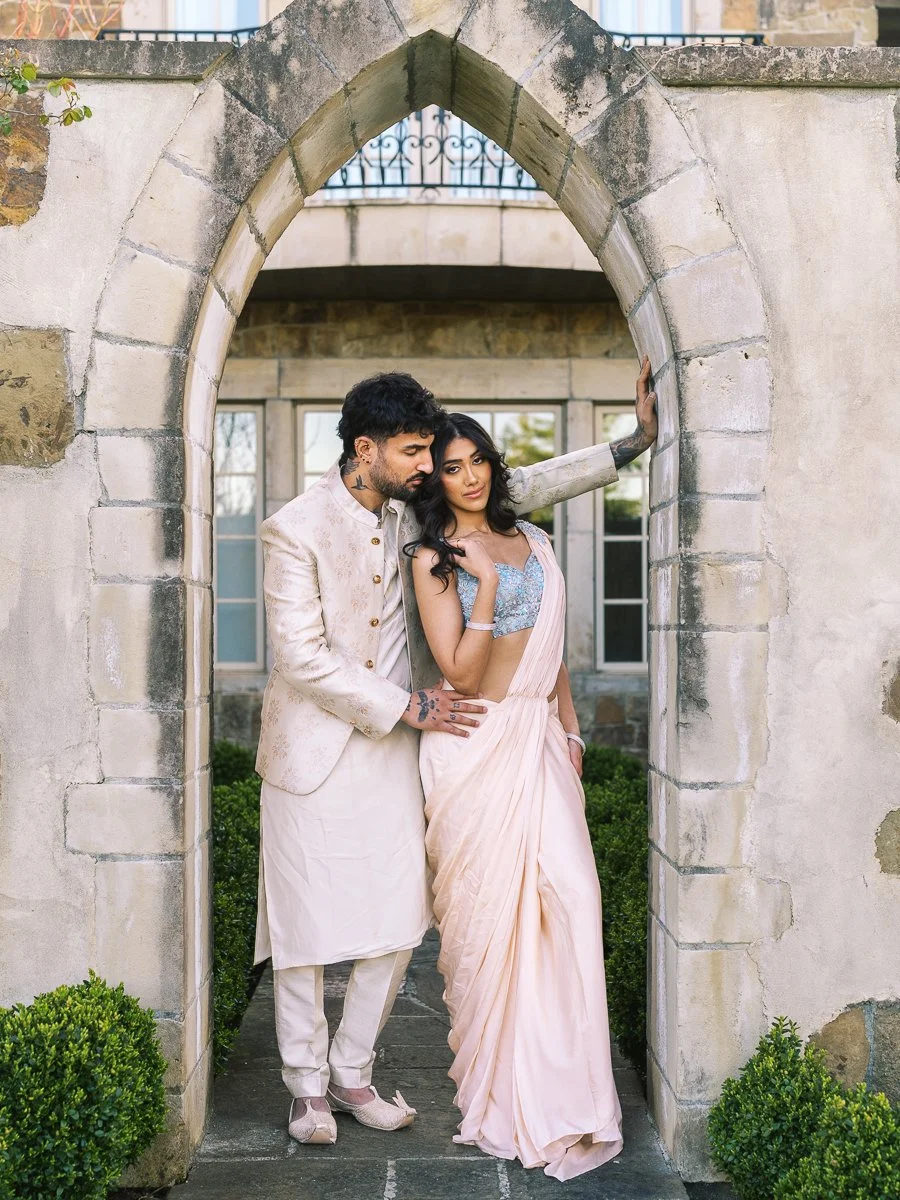
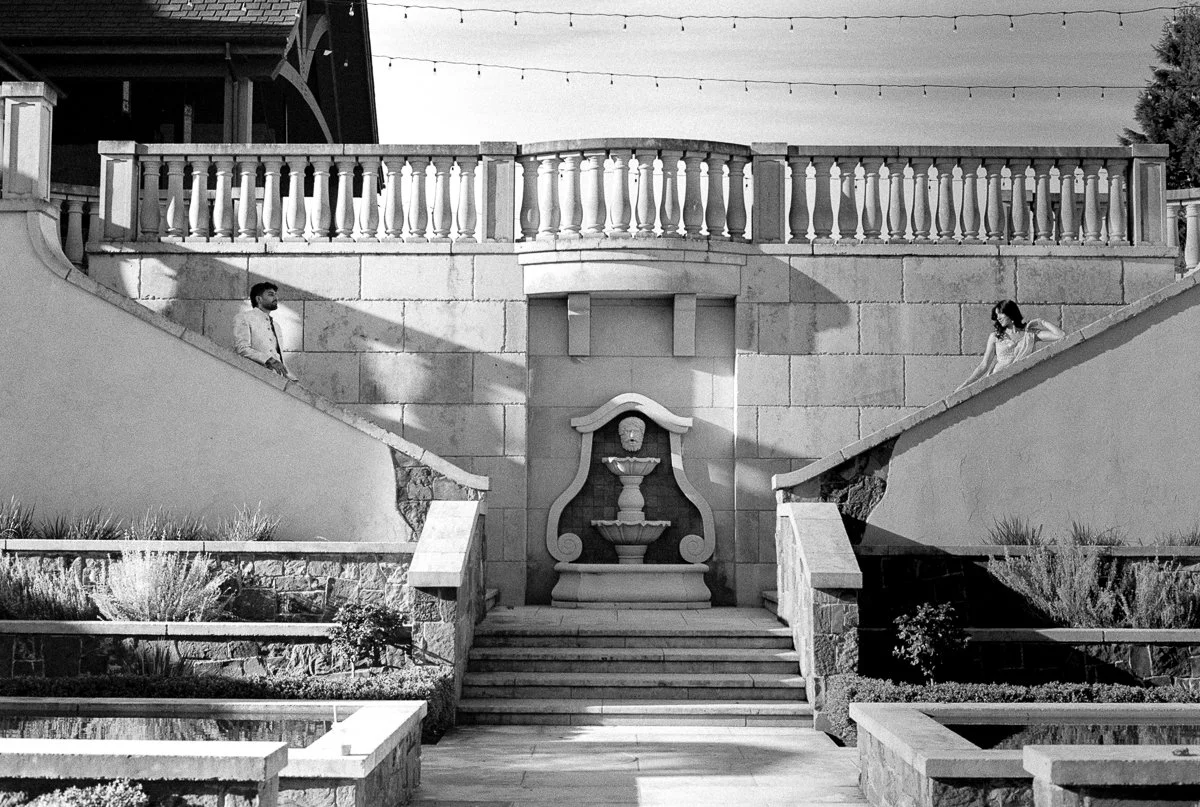
Wedding days are layered, emotional, fast-moving, unpredictable things. The goal was never perfection. The goal is making sure the photographs still feel like art even when the day does not go according to plan.
Anyone can make a wedding look beautiful when everything cooperates. The real work is what happens when it does not. That is where trust comes in…trust that your photographer has seen chaos before, has moved through it before, and knows exactly where to point the camera when it arrives.
If you want a Portland film wedding photographer who has seen it all and will not flinch, get in touch here.